A house built to be haunted by objects
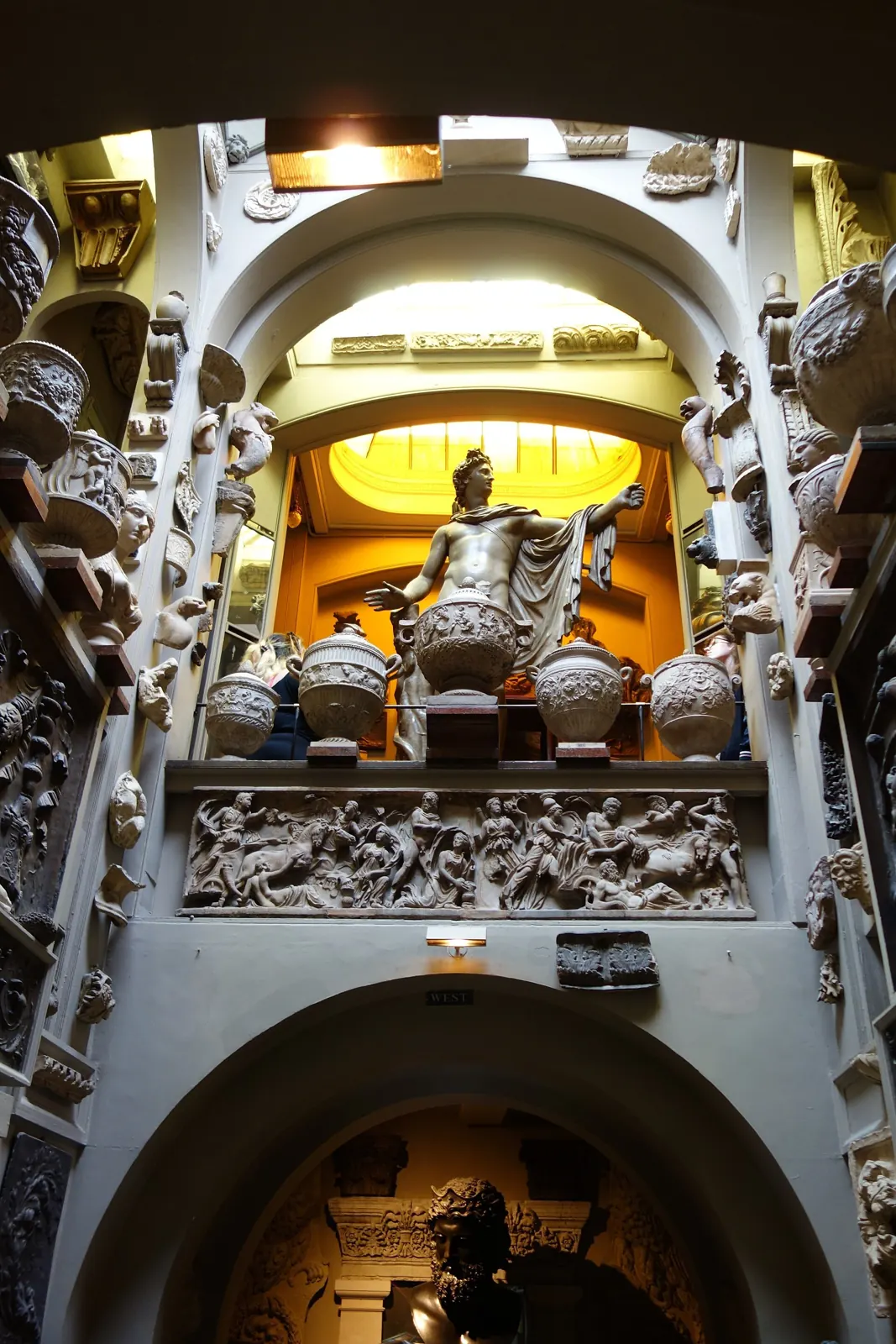
Everyone tells you about the sarcophagus. Go for the sarcophagus, by all means: it is extraordinary. But what stayed with me after my first afternoon at 13 Lincoln's Inn Fields was something quieter and much stranger. The house is not arranged for visitors. It is arranged for a future in which its owner, and everything he believed in, has already fallen into ruin.
A bricklayer's son and his hoard
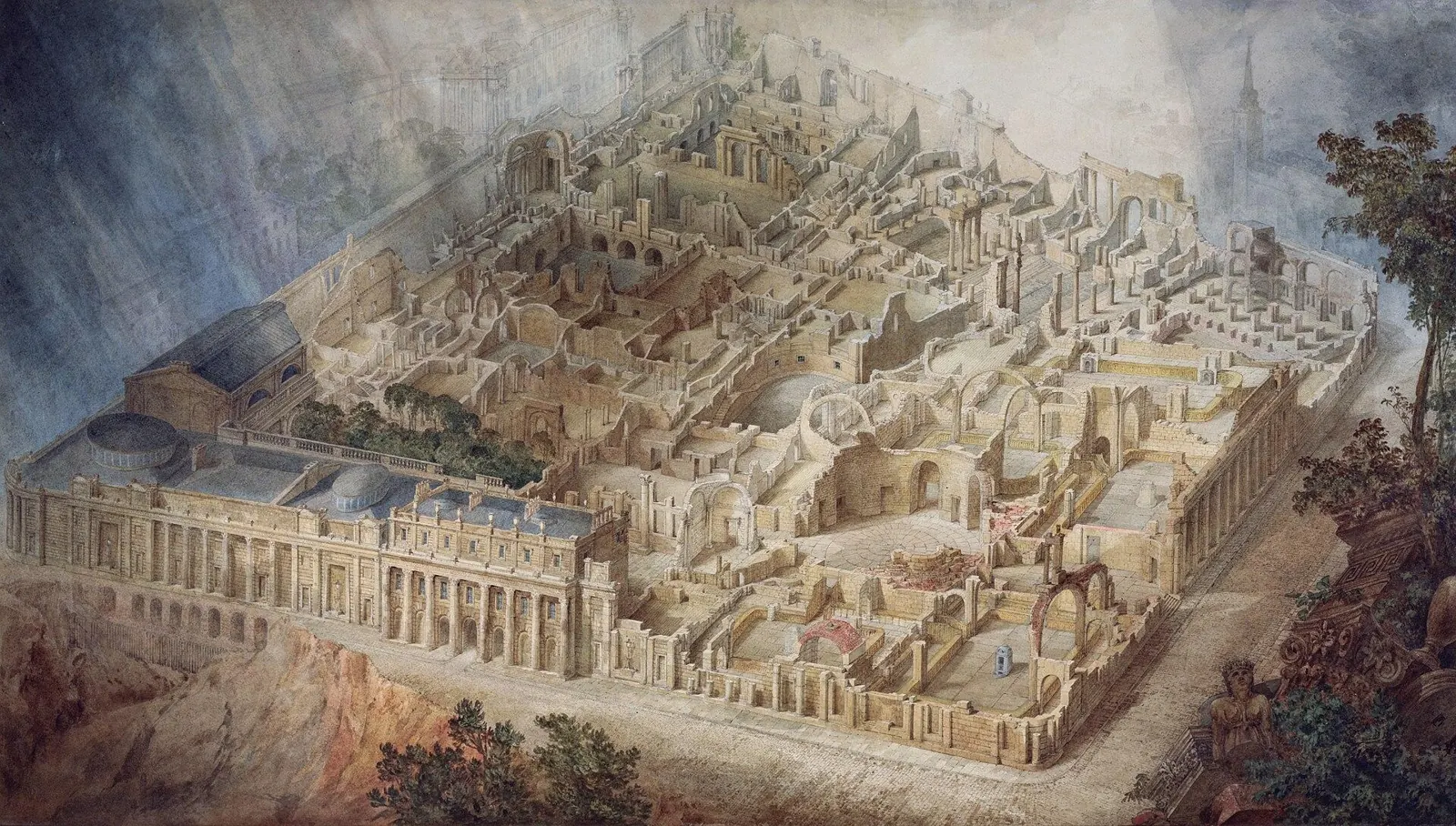
John Soane was born in 1753, the son of a bricklayer, and became one of the most successful architects in England. His great public work was the Bank of England, which he rebuilt over several decades; most of it was demolished between the wars. Remember that. It is the kind of irony this house seems to have seen coming.
He bought number 12 in 1792, then number 13, then number 14, and spent the rest of his life knocking them into one another: rebuilding, adding, packing. When he died in 1837, the three houses held tens of thousands of architectural drawings, antiquities, casts, paintings, models and books. Four years earlier he had persuaded Parliament to pass an Act preserving it all, after his death, as he left it. The museum still works under that instruction. Nothing is supposed to move.
What it actually looks like
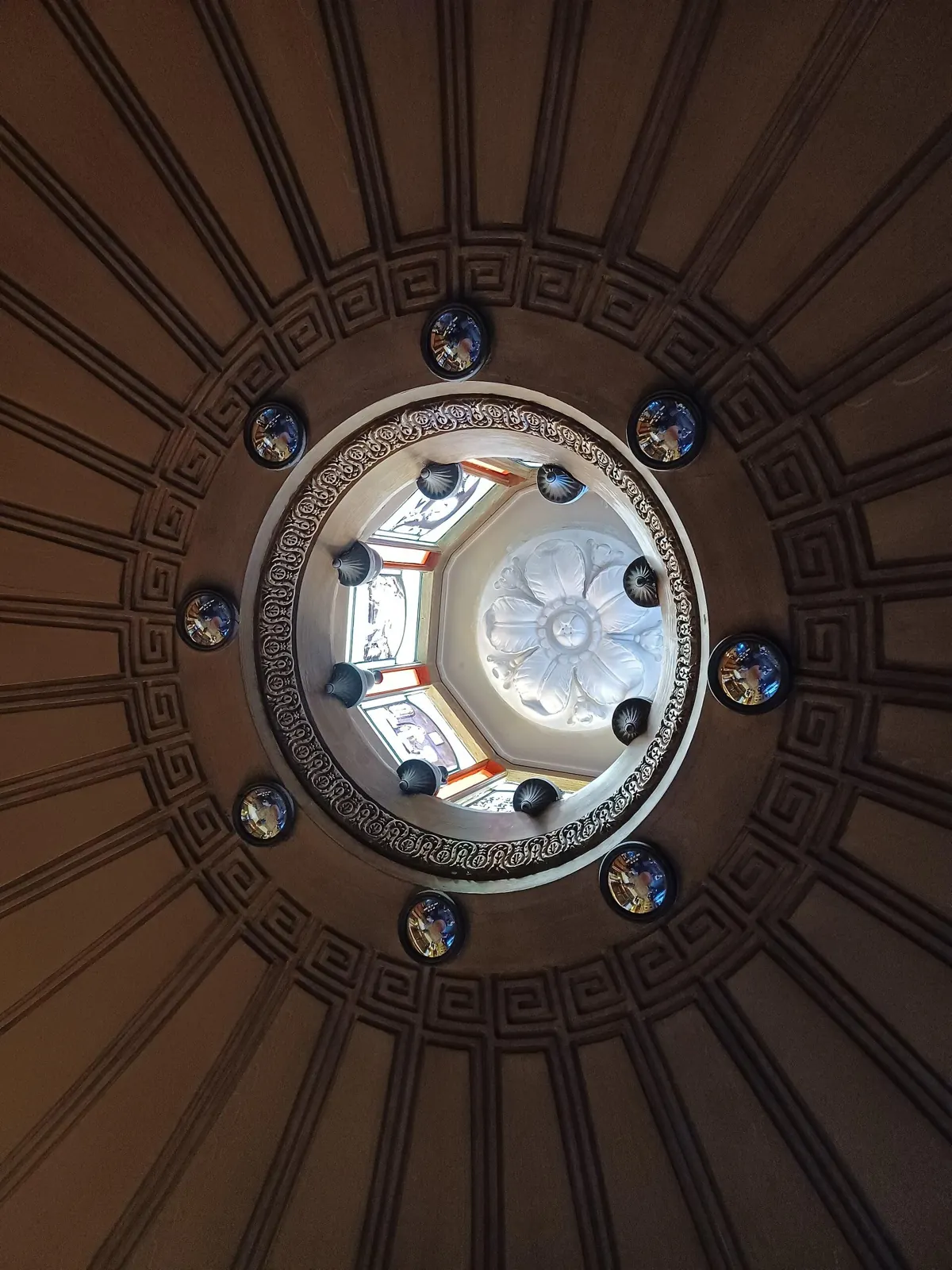
The rooms are not large. At the back, the Dome rises through three storeys, and its walls are covered, edge to edge, with plaster casts, fragments of cornices, urns, capitals and heads. Light falls from above through tinted glass, so that even on a grey London afternoon the marble looks faintly warm, like skin. Small convex mirrors are set into walls and ceilings throughout the house. They throw the clutter back at you, shrunk and curved, and you keep catching a fragment of your own face among the cherubs.
In the Breakfast Room, a shallow canopy dome floats above the table on four slender arches, studded with more of those mirrors. It is one of the most beautiful small rooms in London, and it is entirely about light.
The Picture Room is about thirteen feet by twelve, and it holds 118 paintings. The walls are hinged planes that a warden swings open, layer after layer. Hogarth's A Rake's Progress, eight scenes of a young heir's slide into debt, prison and Bedlam, lives here, as does his four-part An Election, along with Canaletto, Turner and Piranesi. When the last plane opens, the wall simply gives way to a drop into the room below. It is a magic trick, and Soane knew it.
Upstairs, the private apartments, restored and reopened over the past decade, include the Model Room, where cork and plaster models of ancient buildings crowd around a single table: temples of Paestum and the ruins of Pompeii, shrunk to the size of a dinner service. Even here, the antique world arrives already broken.
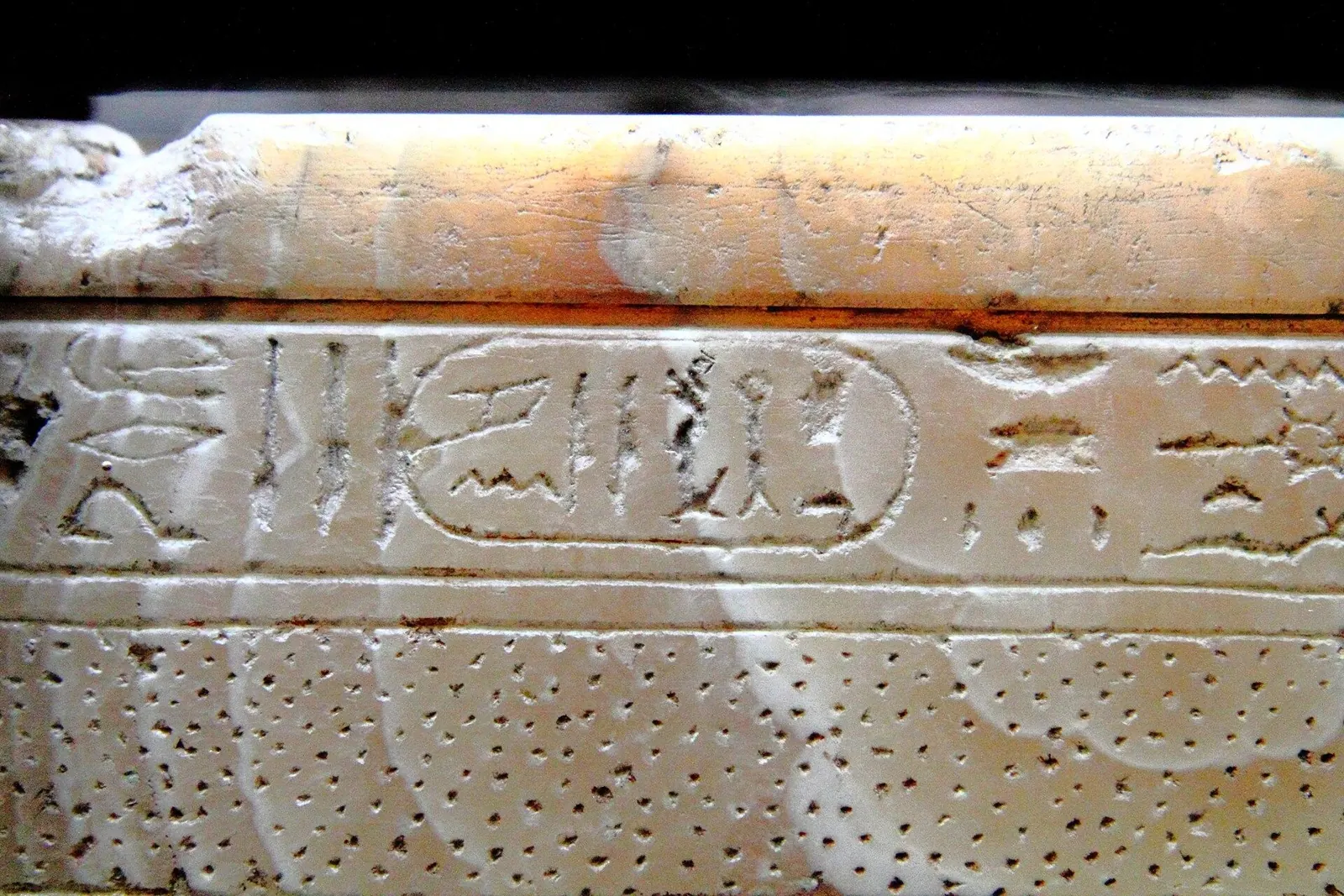
Downstairs, in the basement, lies the alabaster sarcophagus of the pharaoh Seti I, more than three thousand years old. Soane paid £2,000 for it in 1824, the year after his elder son died, and had a hole knocked in the back wall to get it in. In March 1825 he celebrated with a three-day party by lamplight. Nearby is the Monk's Parlour, a gloomy Gothic set of rooms built for an invented monk, "Padre Giovanni", with a mock-ruined abbey in the yard outside. Through the window you can see a monument with a real inscription: "Alas, poor Fanny!" Fanny was his wife's dog.
He was building the house and imagining its ruin at the same time.
The thing I couldn't stop thinking about
In the summer of 1812, while he was demolishing and rebuilding number 13, Soane wrote a manuscript called Crude Hints towards an History of my House in Lincoln's Inn Fields. In it, he becomes an antiquary of the future, wandering through the ruins of the house and trying to guess what it had once been. It was never published in his lifetime. He also had his draughtsman, Joseph Gandy, paint the Bank of England as a ruin, its halls open to the sky, while it was still very much in use.
The obvious story about Soane is the eccentric collector, the man who could not stop buying. I find it the least interesting thing about him. Collectors are common. What is rare is someone who understood, while still alive, that a collection is an argument with time, and who arranged every surface of his house to win it.
So he was building the house and imagining its ruin at the same time. Once you know that, you can't unsee it. The fragments on the walls stop looking like a collection and start looking like evidence: pieces of other people's buildings, gathered by a man who expected his own to end up the same way.
The family story sharpens it. In 1815 his younger son, George, freshly out of a debtors' prison, published two anonymous articles in The Champion attacking his father's architecture. Soane's wife, Eliza, is said to have called them her "death blow"; she died that November. Read the house with that in mind, and the Act of Parliament looks less like vanity and more like a will written against one's own heirs. If the family would not carry him forward, the objects would.
Why it matters
Most museums want you to understand them. This one wants you slightly lost: turning a corner into a darker room, finding a face in a mirror where you expected a wall. It is the opposite of the white cube. Here is an architect who designed with light and shadow as other people design with walls, and who made a self-portrait almost entirely out of other people's things.
It also feels, two centuries on, surprisingly contemporary. Artists today build installations out of archives, fragments and found objects, and call them worlds. Soane did it in three terraced houses, and then made it illegal to tidy up.
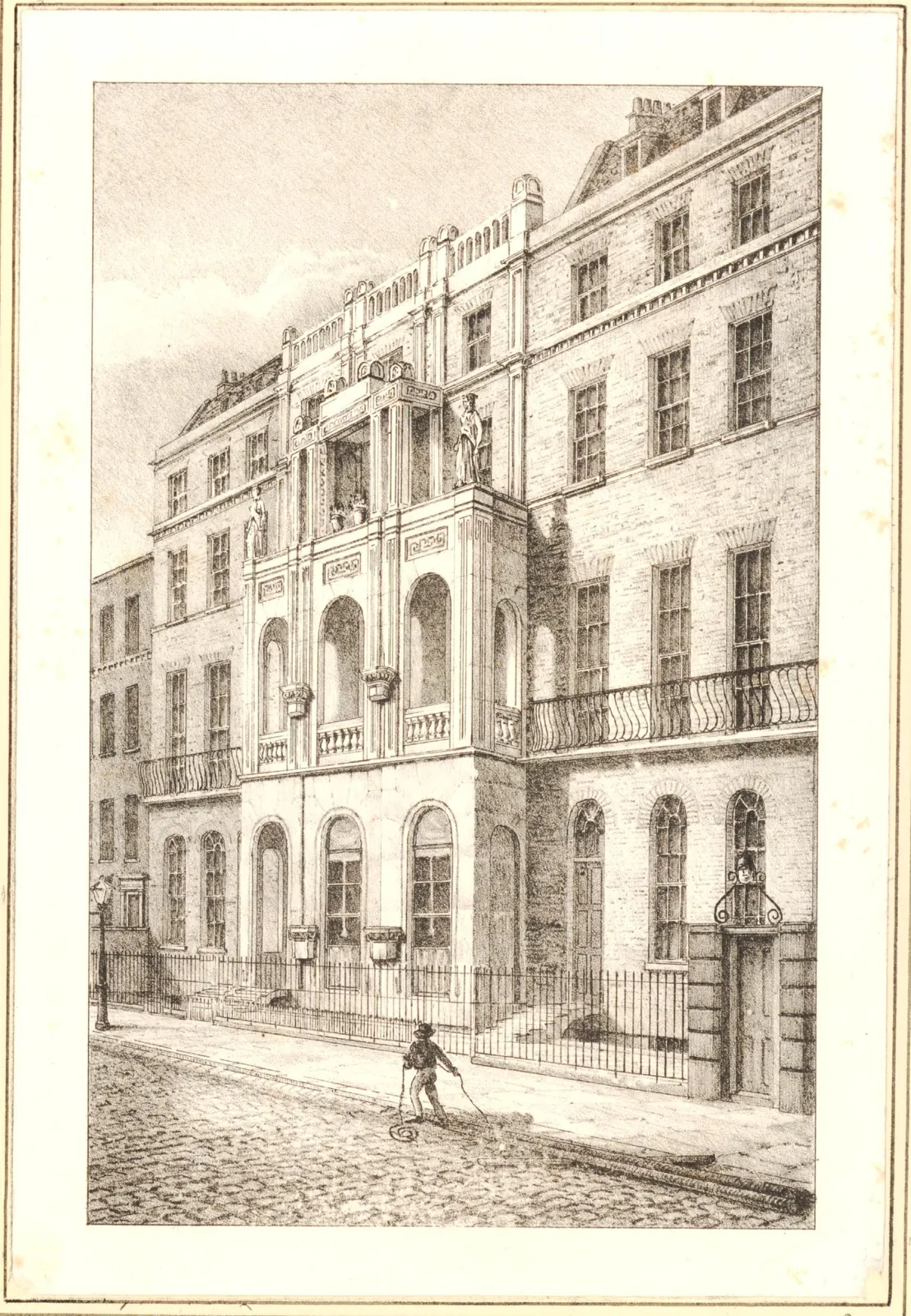
How to see it
Go on a weekday, early, when the house is quiet enough to hear the floorboards. Look up as often as you look around: most of the ideas are in the ceilings. Ask whether the Picture Room planes are being opened, and wait for it. Then, for the counterpart, take the train to Dulwich Picture Gallery, which Soane also designed, and where he built a mausoleum for its founders into the gallery itself. The same man, putting the dead and the pictures under one roof again.
Filed under: Places · London · London city guide · All Curator's Highlights
More Curator's Highlights
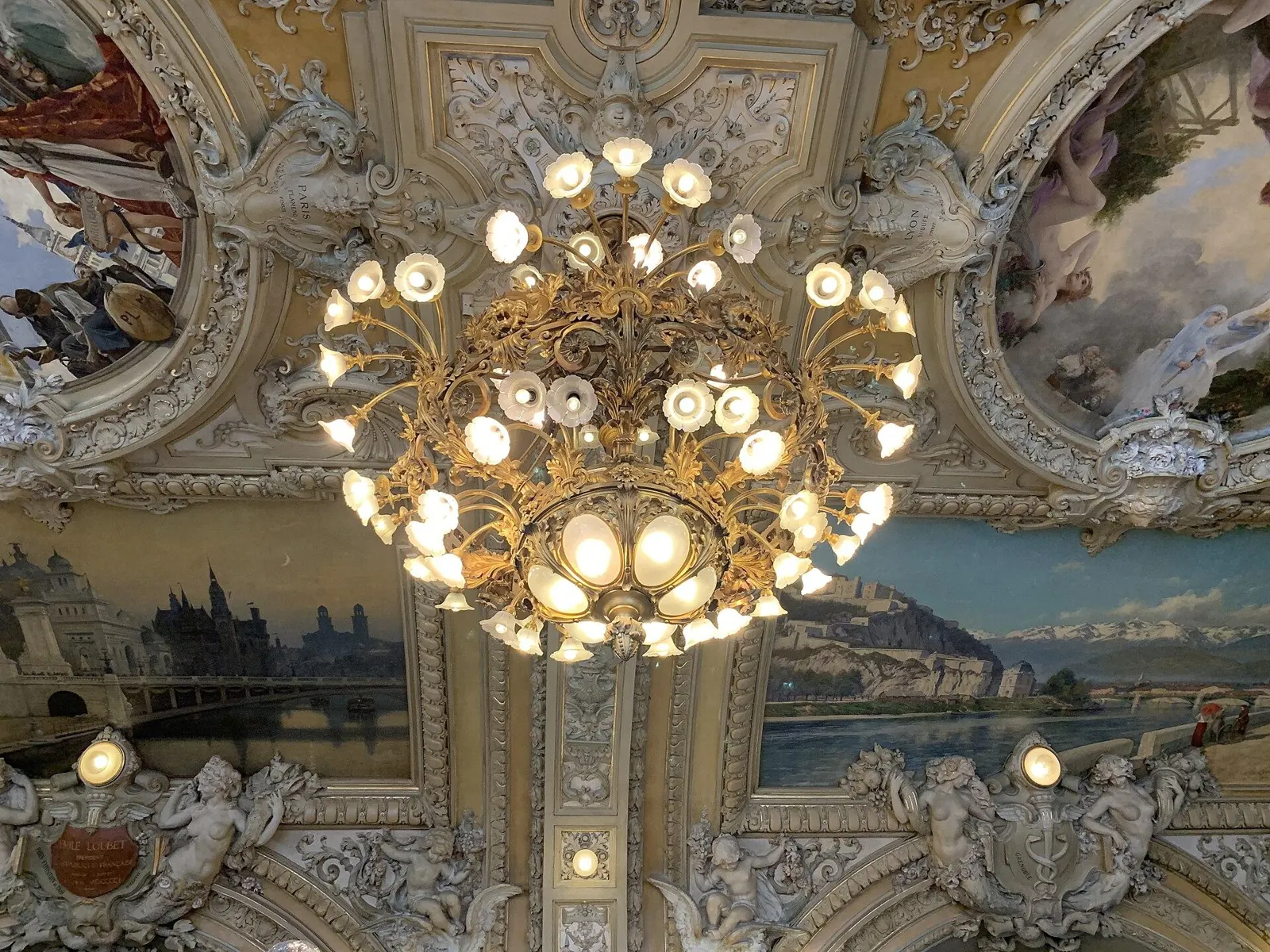
Five painted rooms still doing their job
A station buffet, a naval dining hall, an office courtyard, a parish chapel and a confraternity's meeting room.
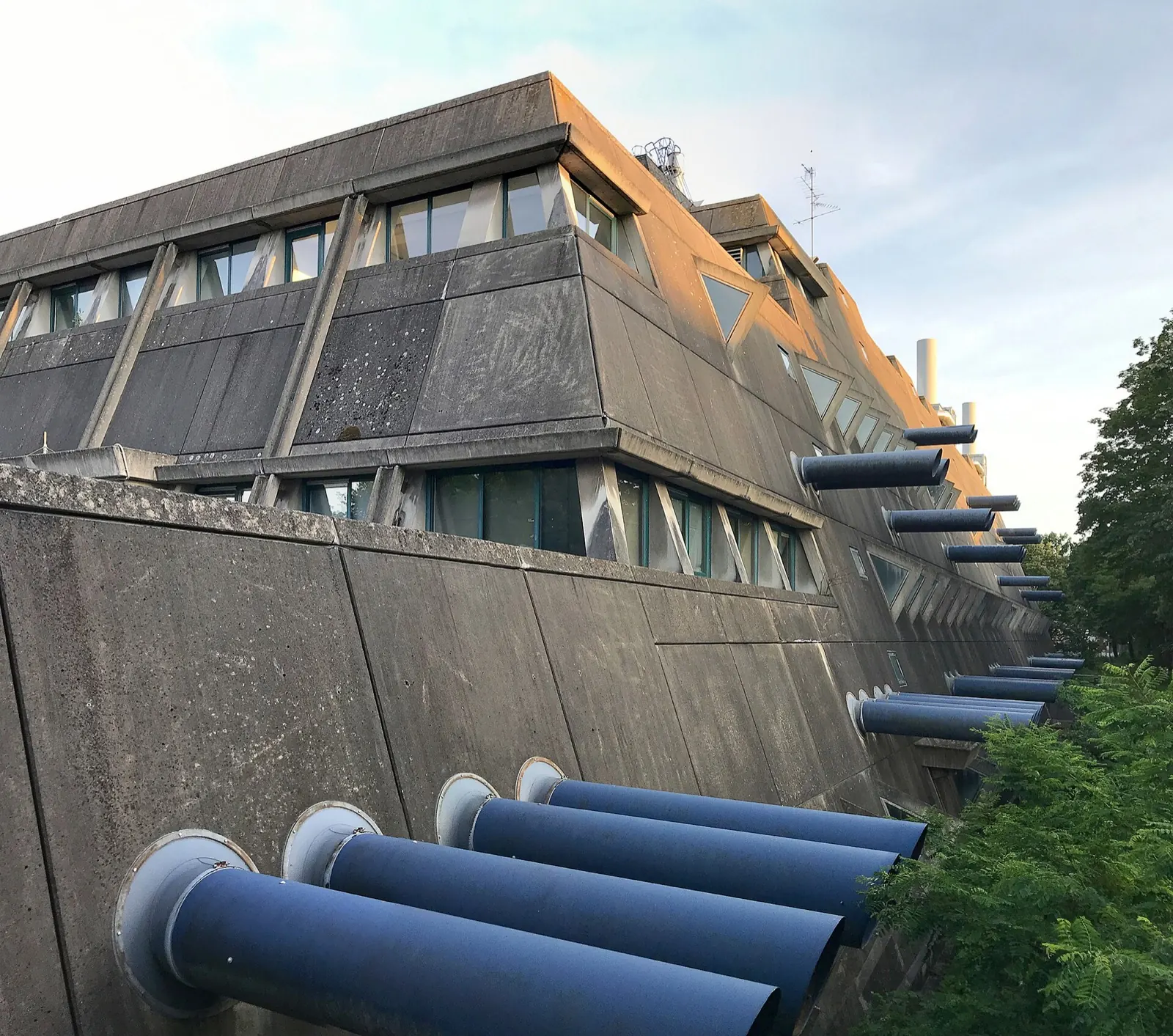
The Mäusebunker: Berlin's beautiful monster
A laboratory for animals that looks like a battleship, and the people who refused to let it be torn down.
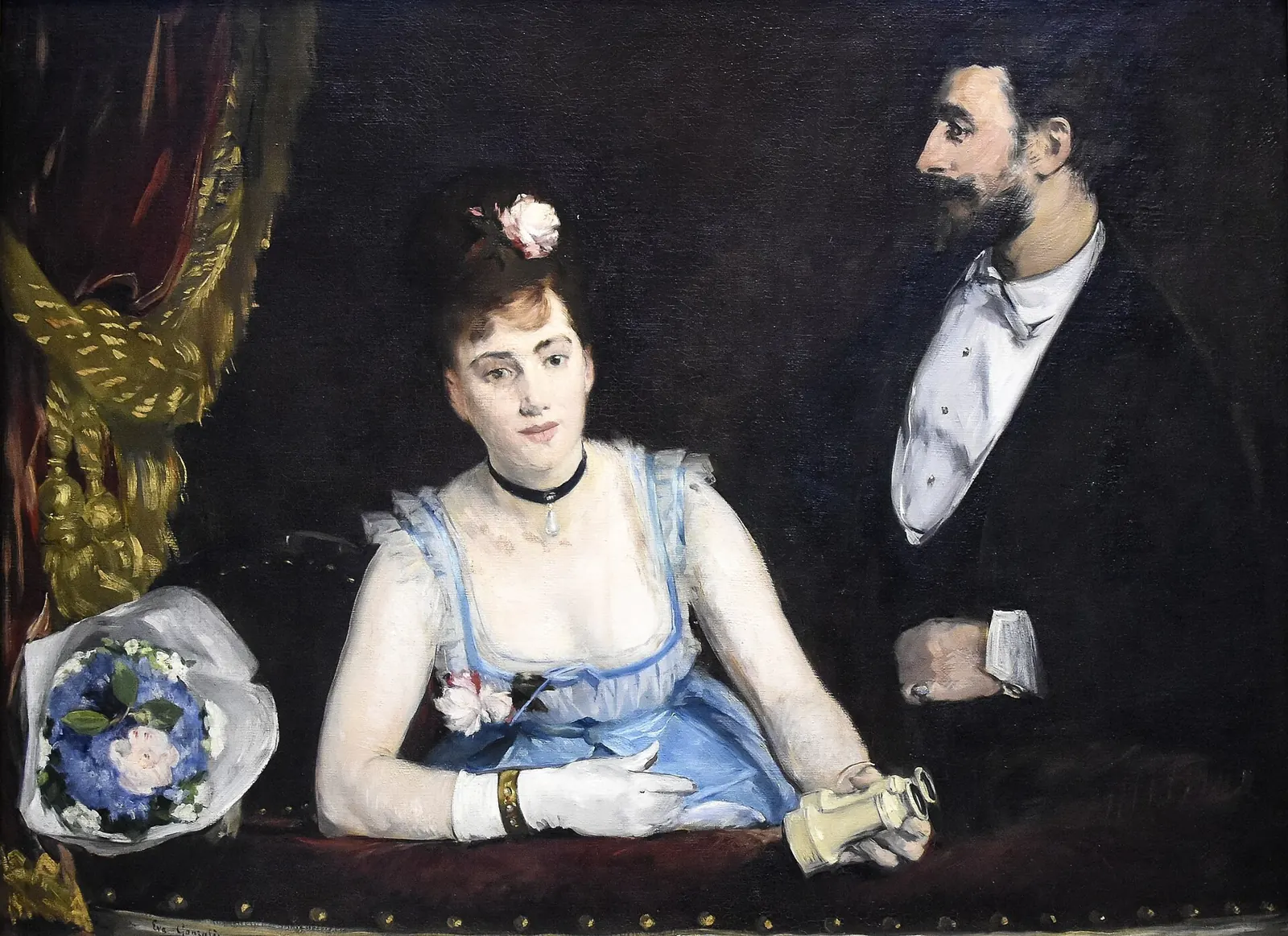
Eva Gonzalès, beyond Manet's shadow
Manet's only pupil, a painter of theatre boxes and waking women, finally has a retrospective.