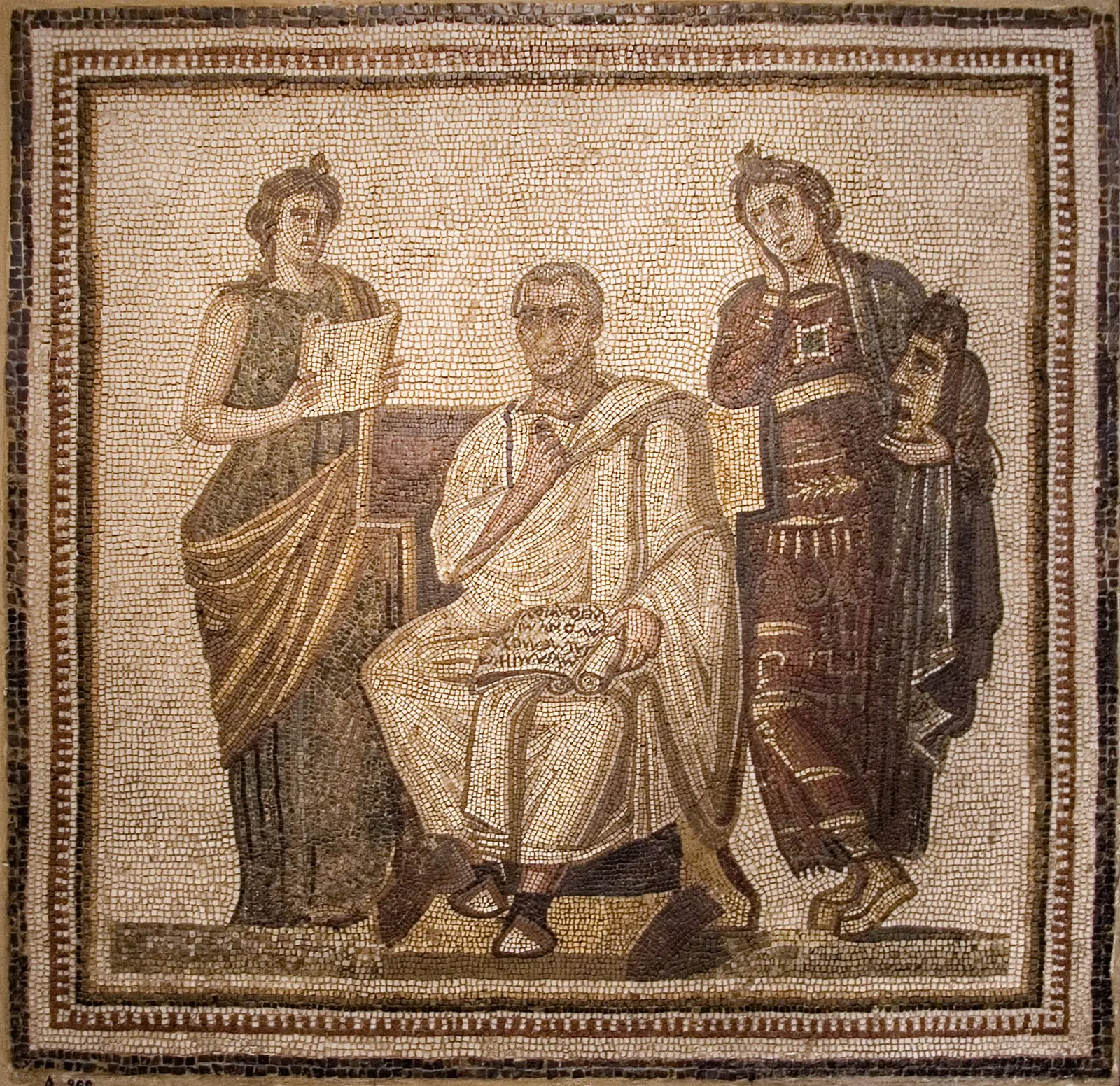
One of the great collections of Roman mosaics anywhere, floor after floor of them, in a 19th-century beylical palace. Reopened in September 2023 after two years closed; a few rooms are still being renovated.
Look for: Virgil seated between two Muses, one of the few portraits of the poet to survive.
Some rooms closed for renovation
Carthage, Tunis · CC BY 2.5
Archaeological site · Carthage
Carthage
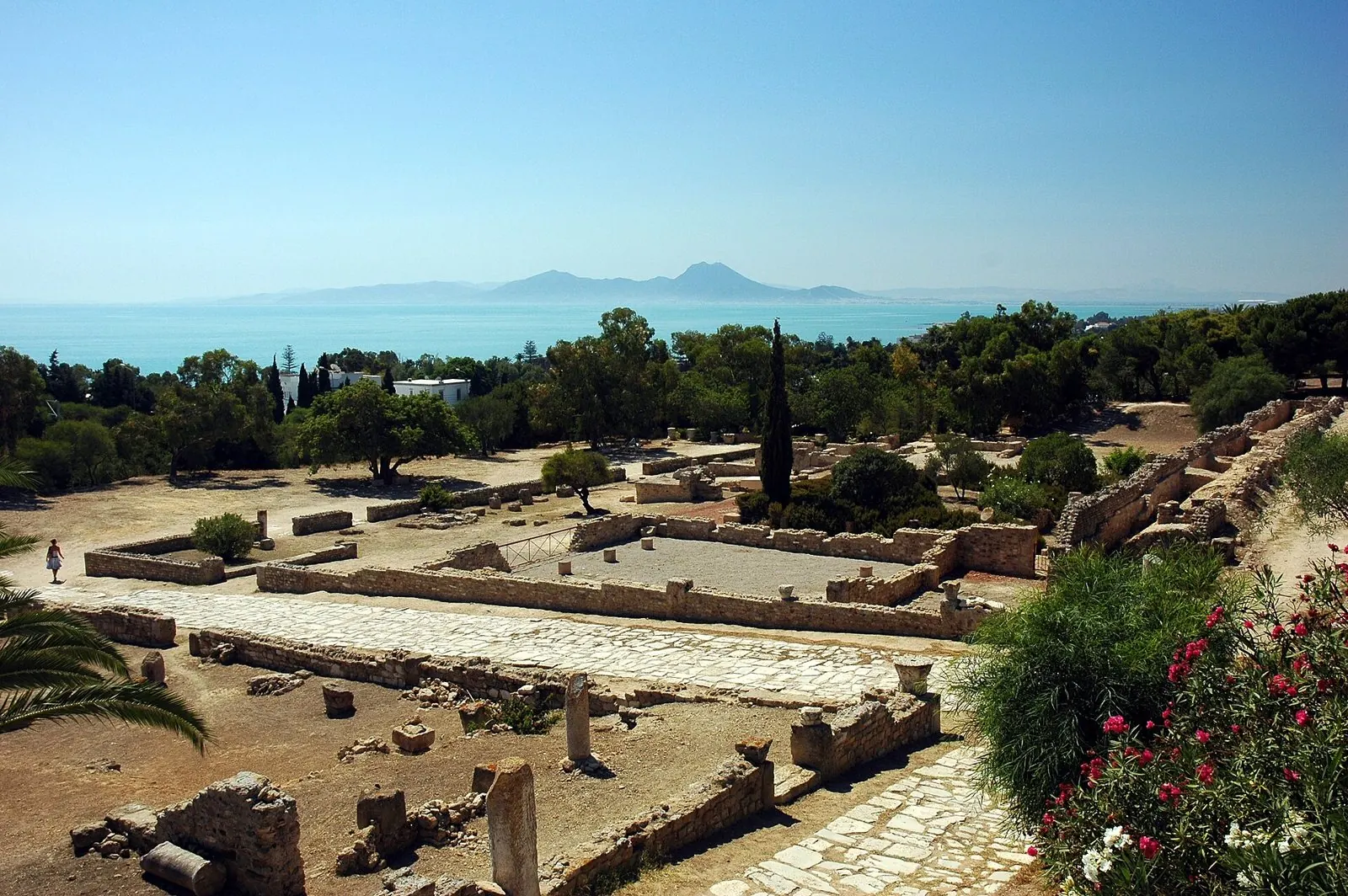
What the Romans built over the city they destroyed: the Antonine Baths by the sea, Punic ports, and the museum on Byrsa Hill. A UNESCO World Heritage site, scattered through a quiet suburb.
Look for: The Antonine Baths, with the Mediterranean behind the columns.
One ticket covers several sites
Contemporary art · Bhar Lazreg
B7L9
The Kamel Lazaar Foundation's art space (2019), a large white cube with a library and residencies, showing four to six exhibitions a year, and home of the Jaou festival.
Look for: The library.
Galleries · Les Berges du Lac · Sidi Bou Saïd
Galleries of the Lac and Sidi Bou Saïd
Selma Feriani's purpose-built gallery by the lake (2024), and the galleries up in Sidi Bou Saïd, A. Gorgi and Le Violon Bleu among them.
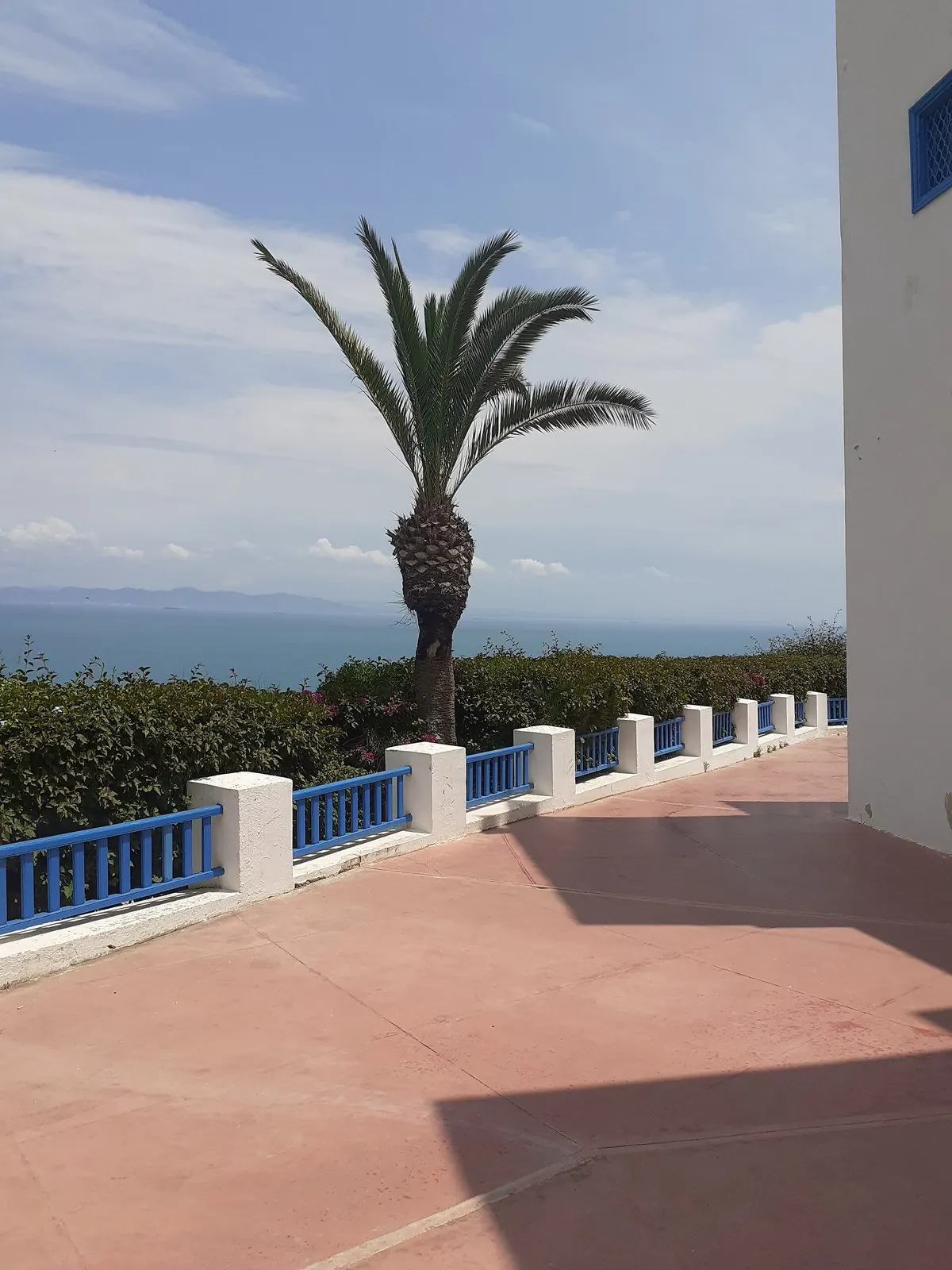
Look for: The evening light in Sidi Bou Saïd after the galleries.
Off the list
Off-Piste in Tunis
Rooms, ruins and curiosities: the city's other museum.
Ennejma Ezzahra, Tunis · CC BY-SA 4.0
House and museum · Sidi Bou Saïd
Ennejma Ezzahra
Baron Rodolphe d'Erlanger's palace (1912–22), built with Tunisian craftsmen in carved plaster, cedar and marble. Now the Centre of Arab and Mediterranean Music, with his collection of instruments.
The music room's carved ceilings.
Tourbet el Bey, Tunis · CC BY-SA 4.0
Mausoleum · Medina
Tourbet el Bey
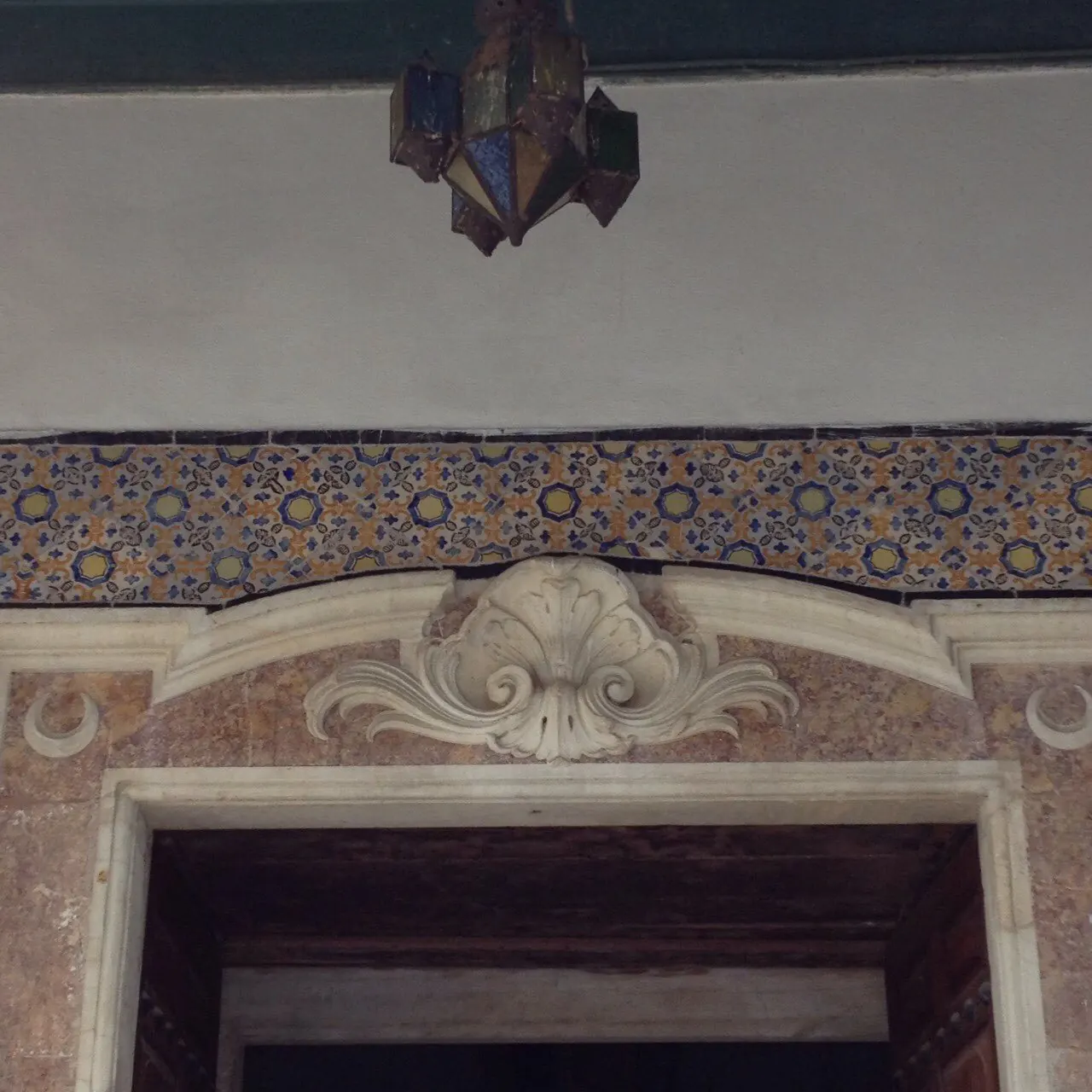
The burial place of the Husainid beys, from the late 18th century: domed rooms of marble, tiles and carved stucco, almost always empty.
The tiled walls of the main chamber.
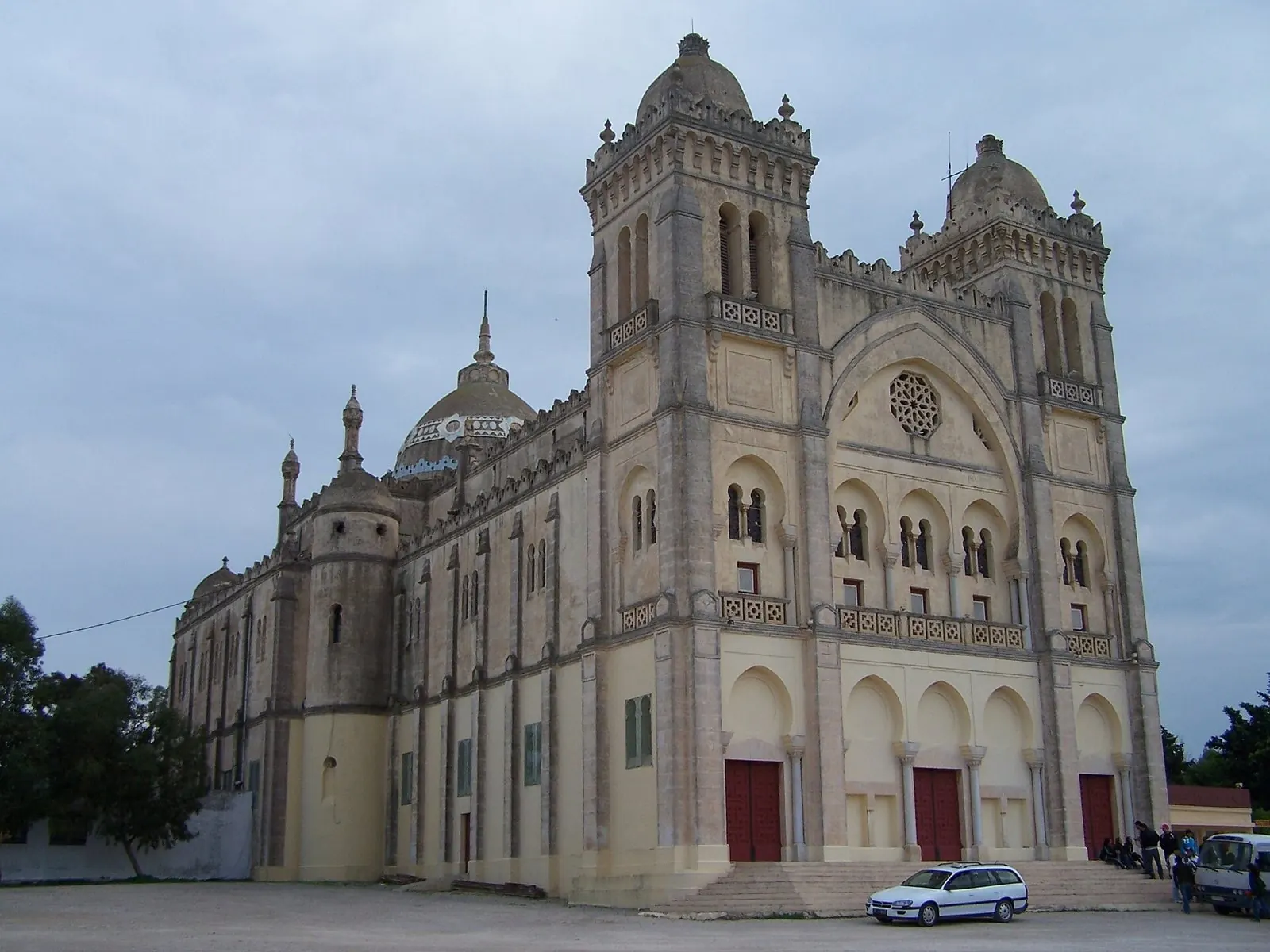
The Acropolium, Tunis · CC BY-SA 4.0
Church · Carthage
The Acropolium
The former Saint-Louis cathedral (1890) on Byrsa Hill, a Byzantine-Moorish fantasy of painted arches, now used for concerts.
The painted wooden ceilings, during a concert if you can.
Nearby
Dougga
The best-preserved Roman town in North Africa, on a hillside of olive groves, about two hours west.
Dar Sebastian, Hammamet
The Romanian aristocrat George Sebastian's 1920s villa and gardens, now an international cultural centre, about an hour south.
If you have one day
The Bardo at opening → lunch in the medina and Tourbet el Bey → the TGM train to Carthage and the Antonine Baths → Sidi Bou Saïd, Ennejma Ezzahra and the galleries at sunset.