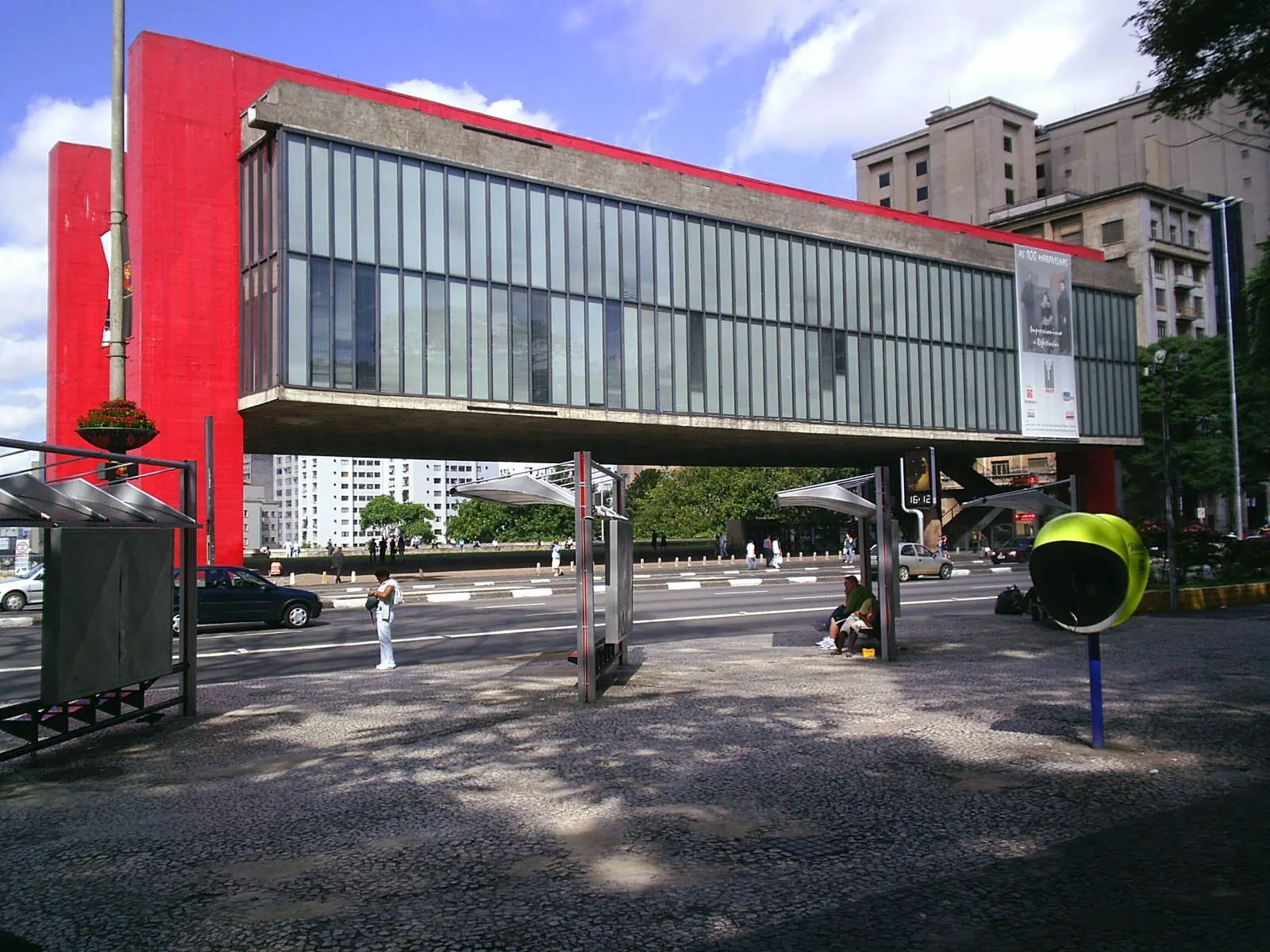
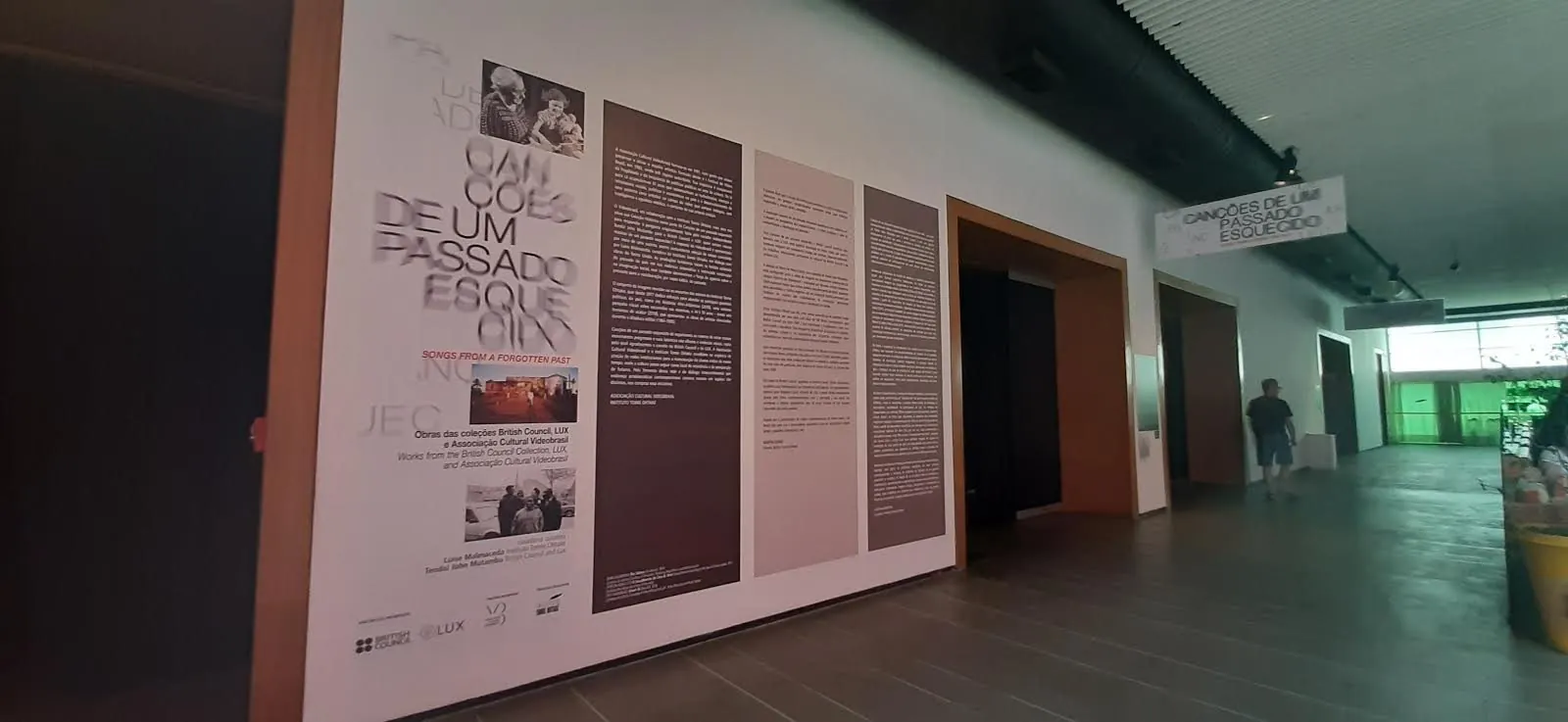
Lina Bo Bardi's red-framed museum of 1968, suspended over an open plaza. The collection hangs on her glass easels, so you walk through the paintings as through a forest; the labels are on the back. A second building opened next door in 2024.
Look for: The back of the easels, where the labels are.
Free on Tuesdays · closed Mondays
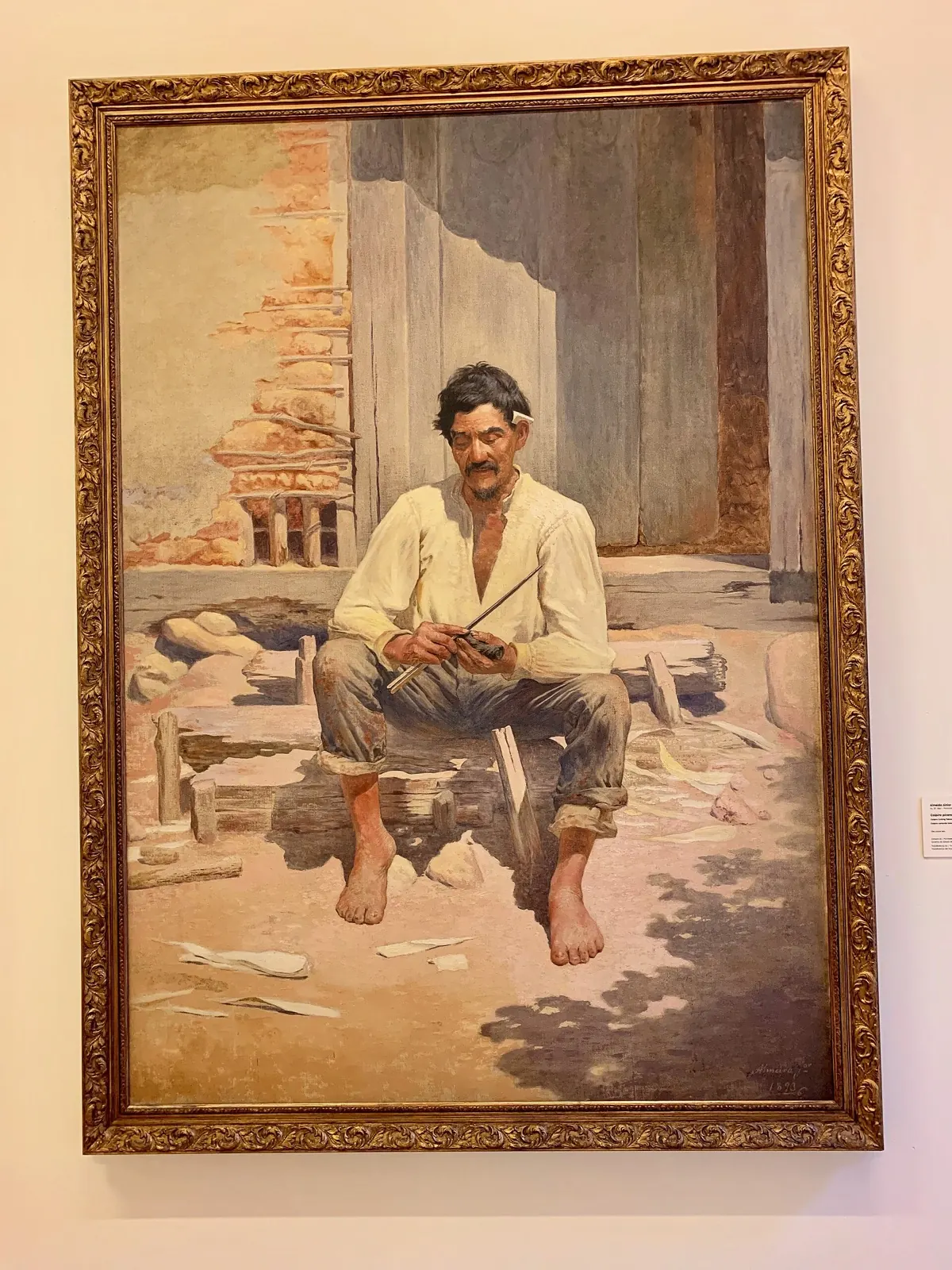
Almeida Júnior, Caipira Picando Fumo, 1893. Pinacoteca de São Paulo · CC BY-SA 4.0
Museum · Luz
Pinacoteca de São Paulo
The city's oldest art museum, in a brick building opened up by Paulo Mendes da Rocha with walkways across the courtyards.
Look for: Almeida Júnior's Caipira Picando Fumo, a farmer rolling tobacco.
Closed Tuesdays
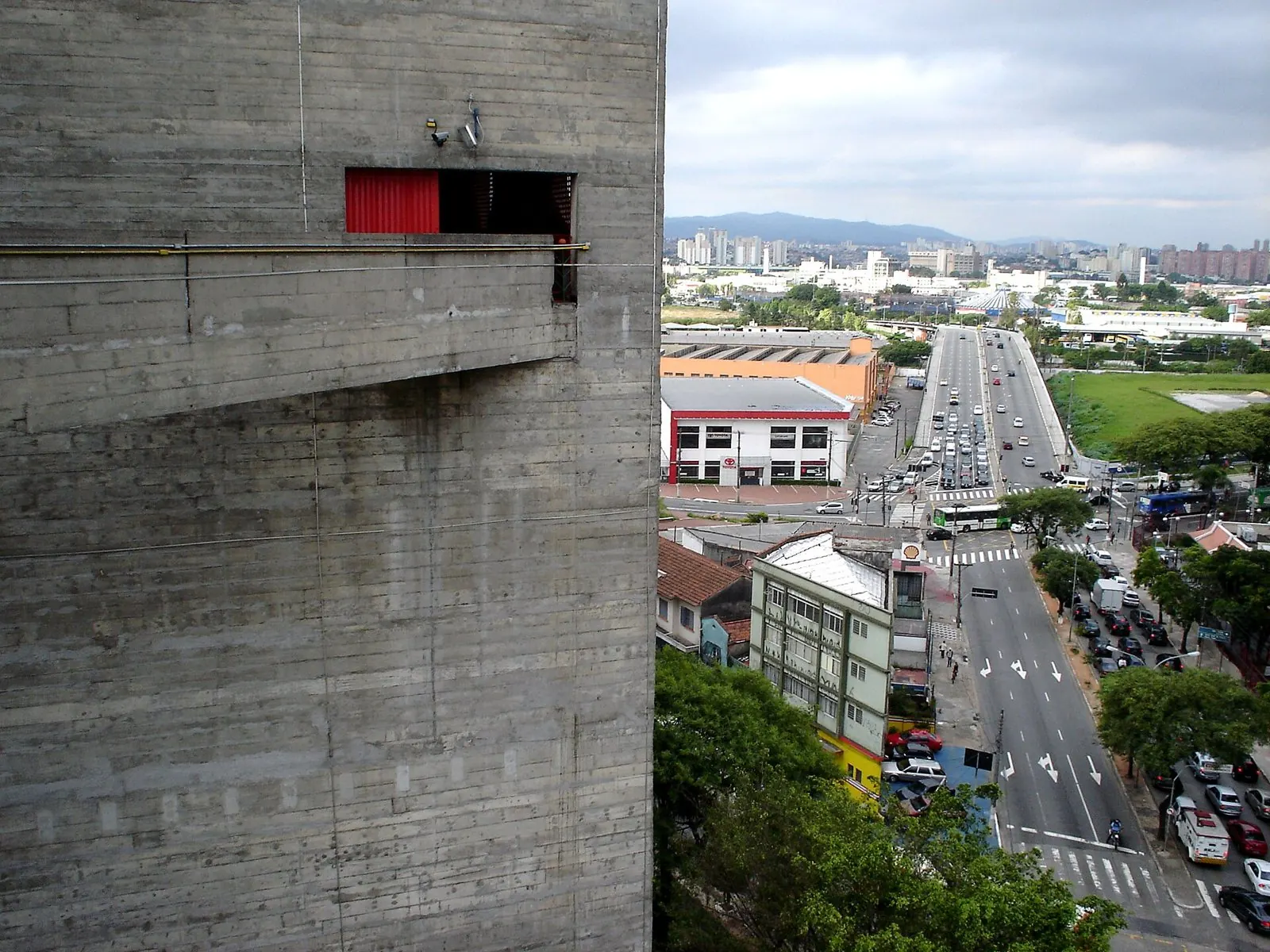
SESC Pompéia, São Paulo · CC BY 2.0
Art centre · Pompéia
SESC Pompéia
Lina Bo Bardi's 1980s conversion of a drum factory into a leisure centre, with concrete towers linked by flying walkways.
Look for: The red windows shaped like holes punched in the wall.
Free
Pavilhão da Bienal and Ibirapuera Park, São Paulo · CC BY-SA 4.0
Exhibition hall · Ibirapuera
Pavilhão da Bienal and Ibirapuera Park
Oscar Niemeyer's park of 1954: the Biennial pavilion, the Museum of Modern Art (MAM) under the marquee, the Oca dome and Afro Brasil museum.
Look for: The Marquise, the long concrete canopy linking the buildings.
Free park
Instituto Tomie Ohtake, São Paulo · CC BY-SA 4.0
Art centre · Pinheiros
Instituto Tomie Ohtake
The art centre dedicated to the Japanese-born Brazilian abstract painter, in a building designed by her son Ruy Ohtake.
Look for: Her late paintings.
Free · closed Mondays
Off the list
Off-Piste in São Paulo
Rooms, ruins and curiosities: the city's other museum.
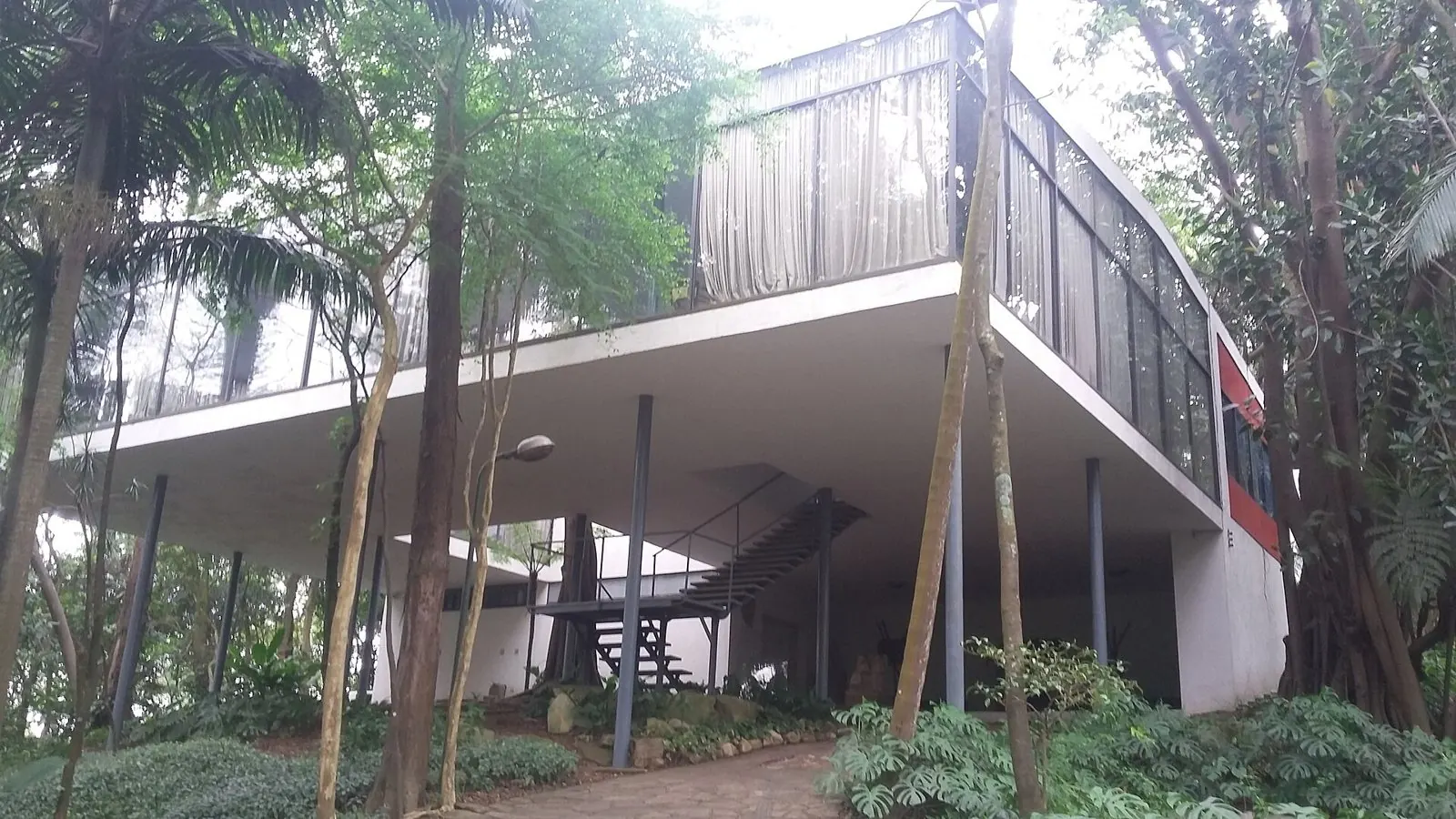
Casa de Vidro, São Paulo · CC BY-SA 4.0
Artist house · Morumbi
Casa de Vidro
Lina Bo Bardi's glass house of 1951, on stilts in the remains of the Atlantic forest.
The tree growing through the patio. Visits by appointment.
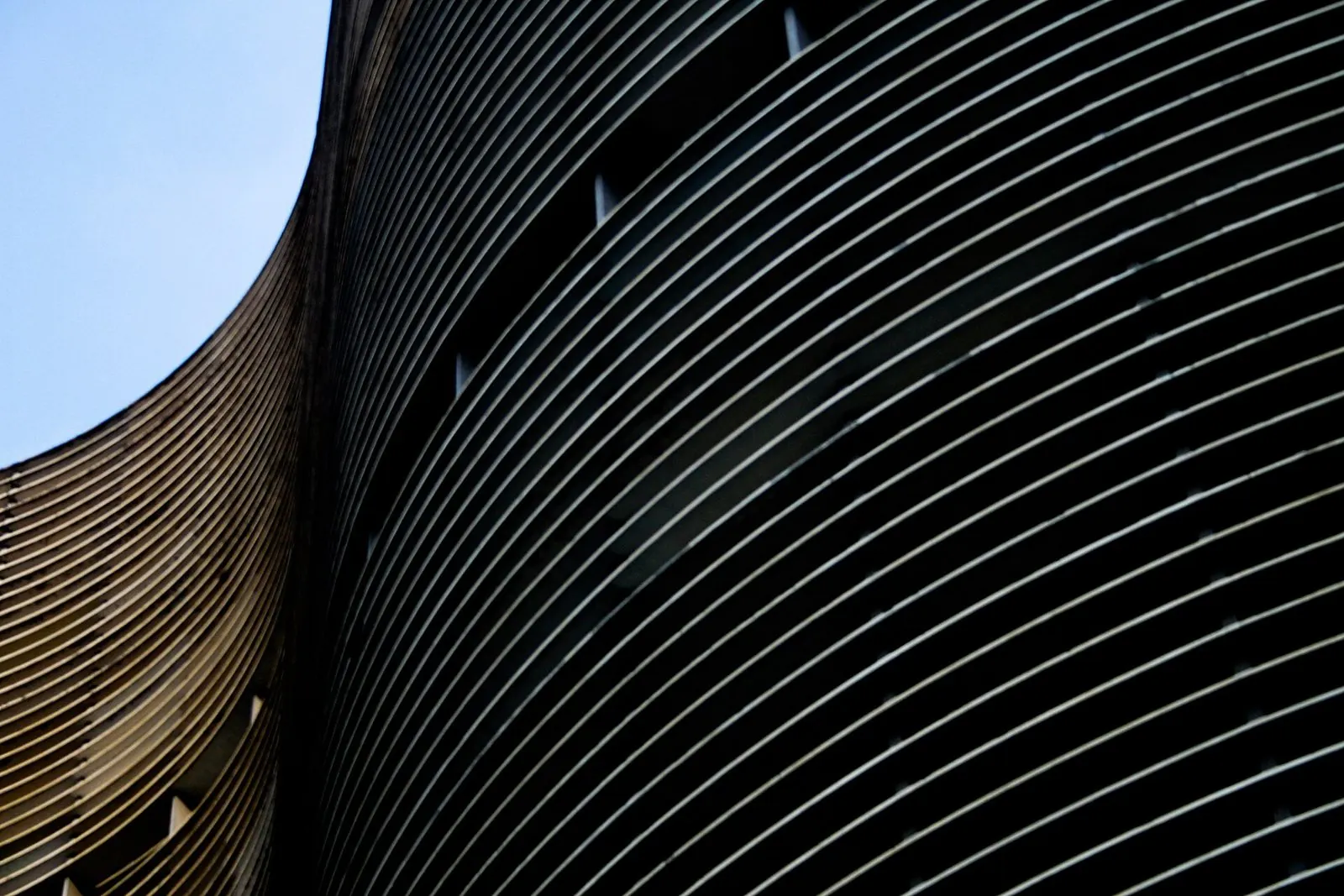
Edifício Copan, São Paulo · CC BY 2.0
Architecture · Centro
Edifício Copan
Niemeyer's S-shaped wave of 1,160 apartments, home to around 5,000 people.
The view from the roof, when it's open.
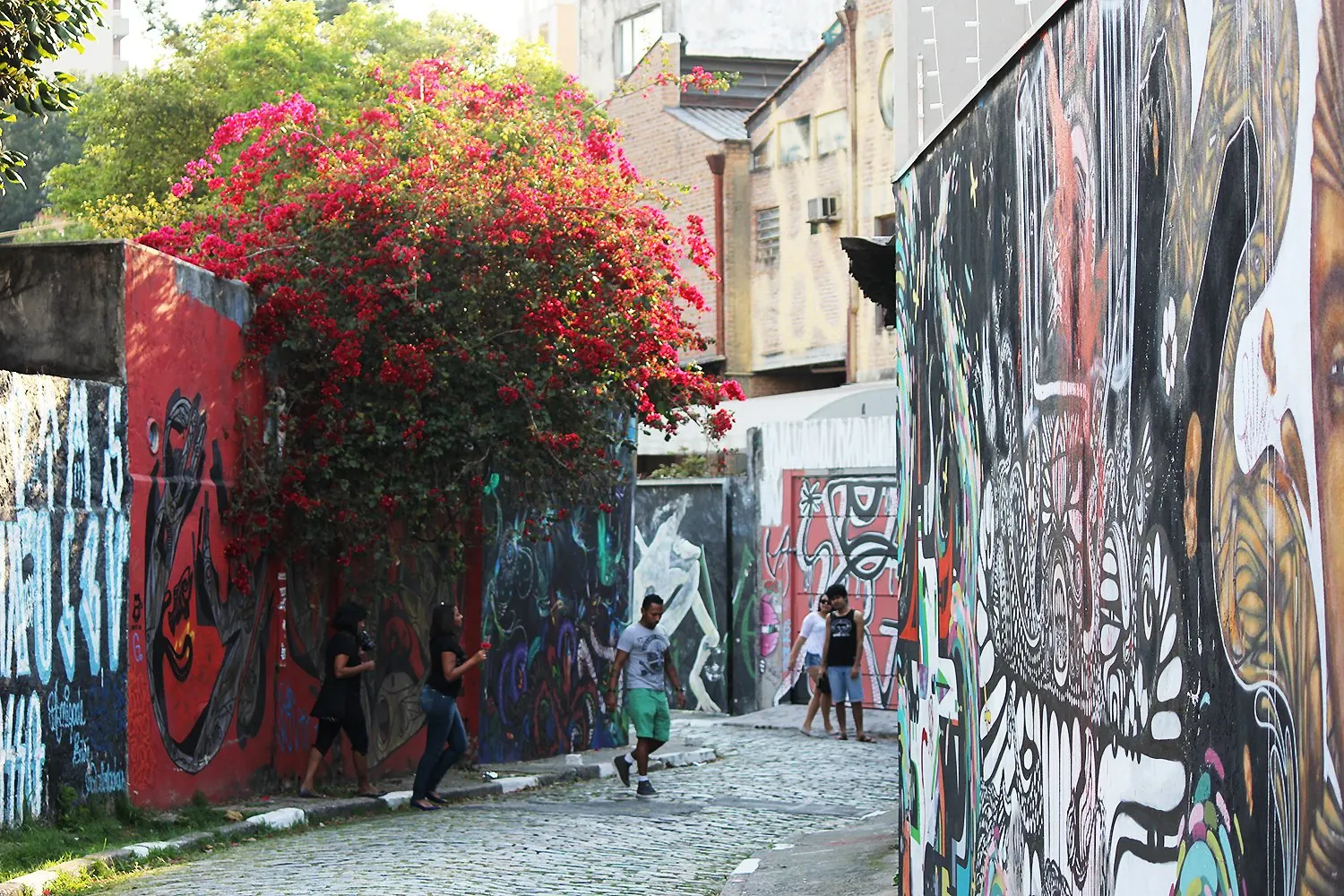
Beco do Batman, São Paulo · CC BY-SA 4.0
Street art · Vila Madalena
Beco do Batman
An alley entirely covered in graffiti, repainted constantly.
Go on a weekday morning.
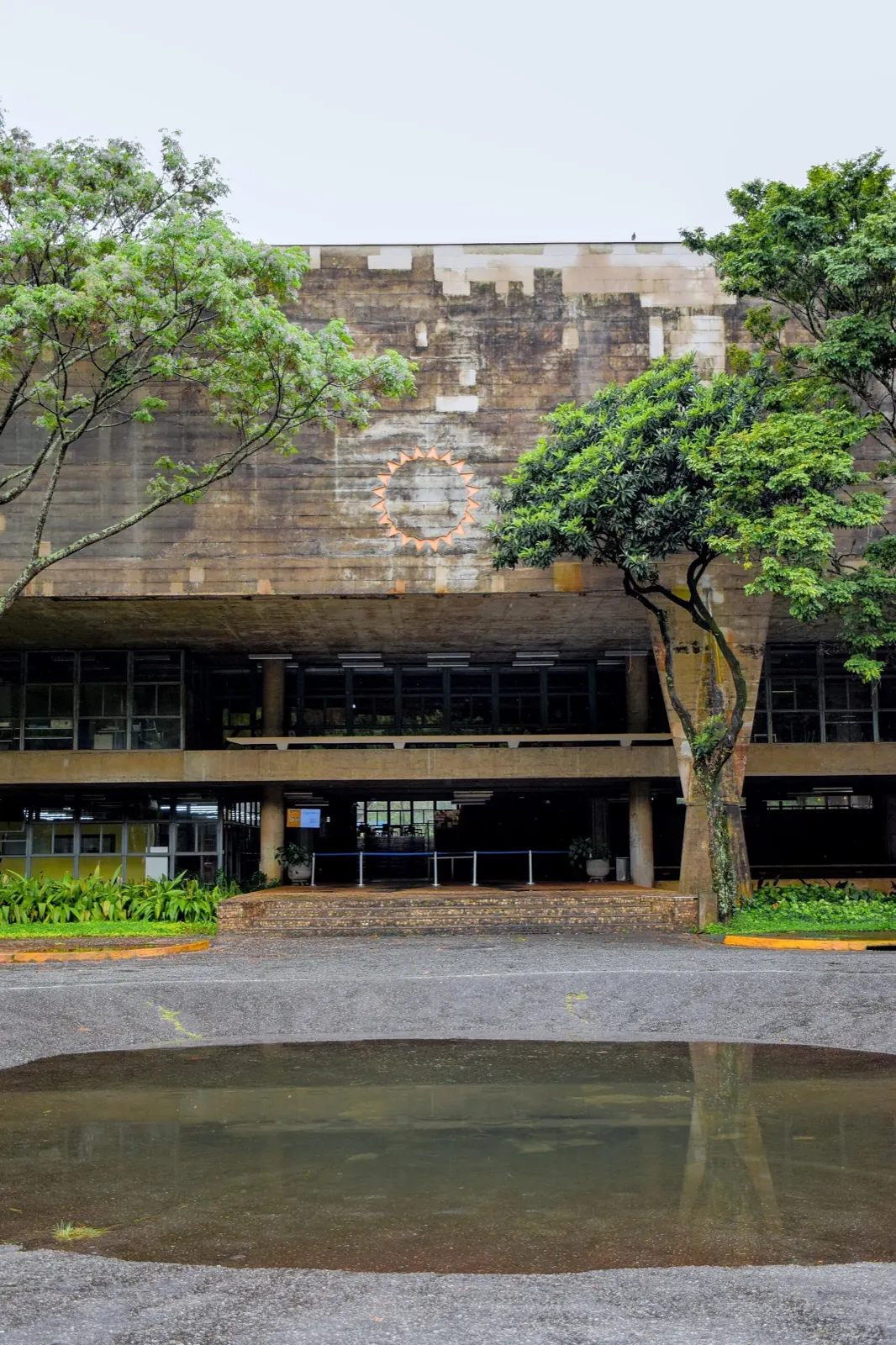
Vilanova Artigas, FAU-USP, São Paulo, 1969 · CC BY-SA 4.0
Architecture · Cidade Universitária
FAU-USP
Vilanova Artigas's architecture school (1969): a concrete box on slim pillars, with no front door and ramps that link every level.
The ramps, and the light from the roof.
MuBE, São Paulo · CC BY-SA 4.0
Architecture · Jardim Europa
MuBE
Paulo Mendes da Rocha's sculpture museum (1995), sunk into the ground under a single concrete beam 60 metres long.
Stand under the beam.
Terraço Itália, São Paulo · CC BY-SA 4.0
Architecture · Centro
Terraço Itália
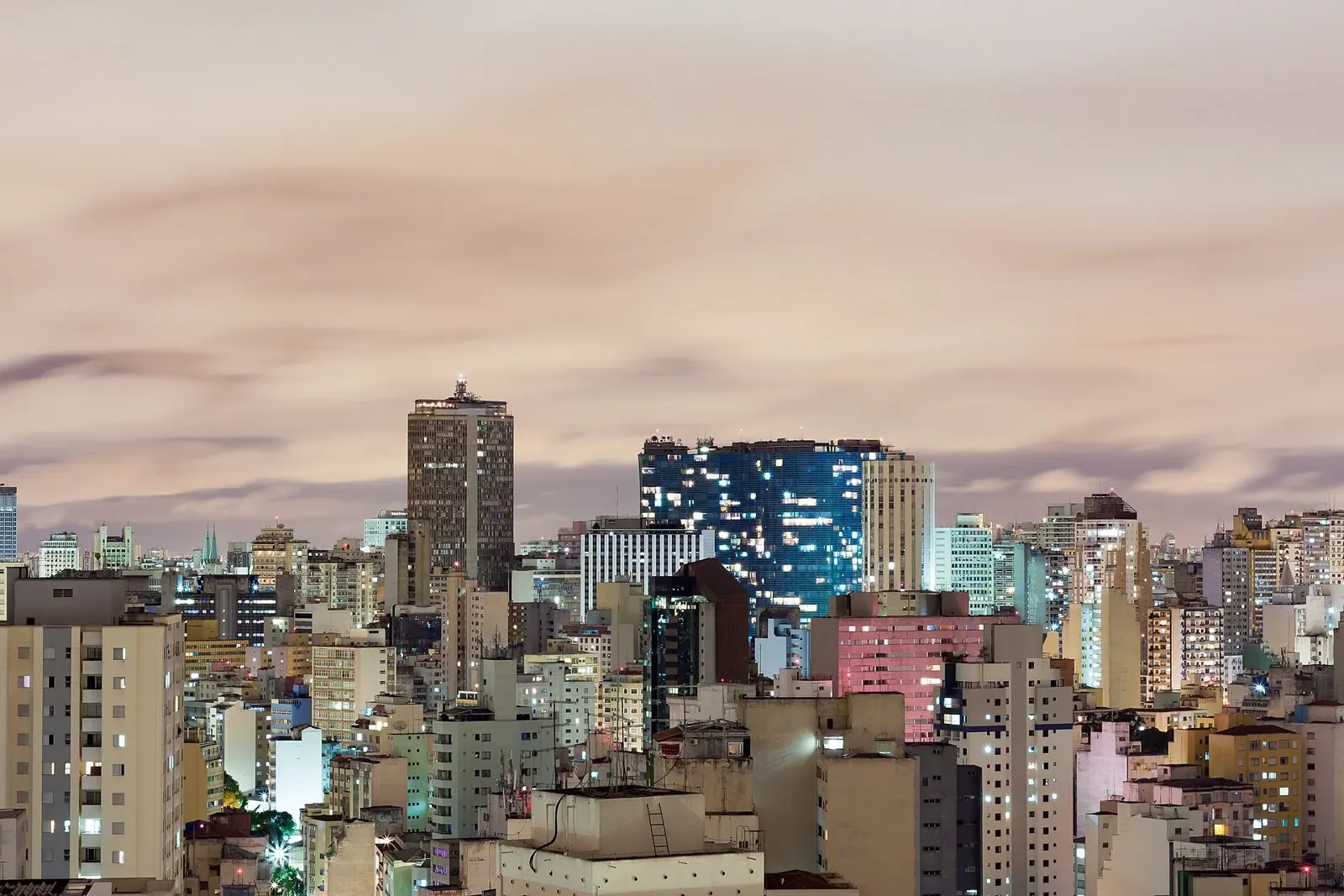
The rooftop of the 46-storey Edifício Itália (1965), with a 360-degree view of the city's endless towers.