Best monthsOctober–November and April–June
Art calendarARCOmadrid (February) · Apertura Madrid Gallery Weekend (September)
This guide4 essentials · 6 places off-piste
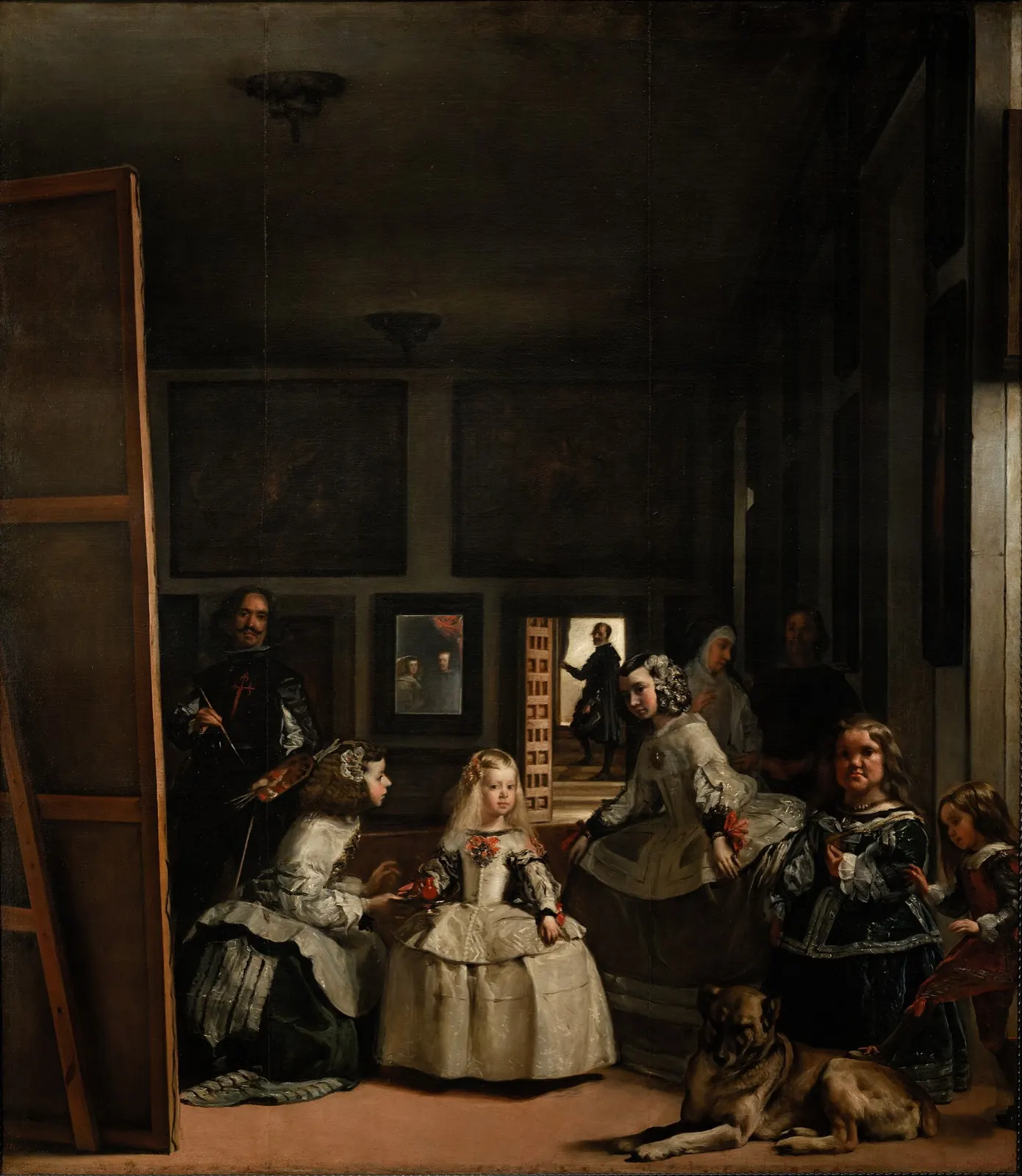 Diego Velázquez, Las Meninas, 1656. Museo del Prado, Madrid · Public domain
Museum · Paseo del Prado
Museo del Prado
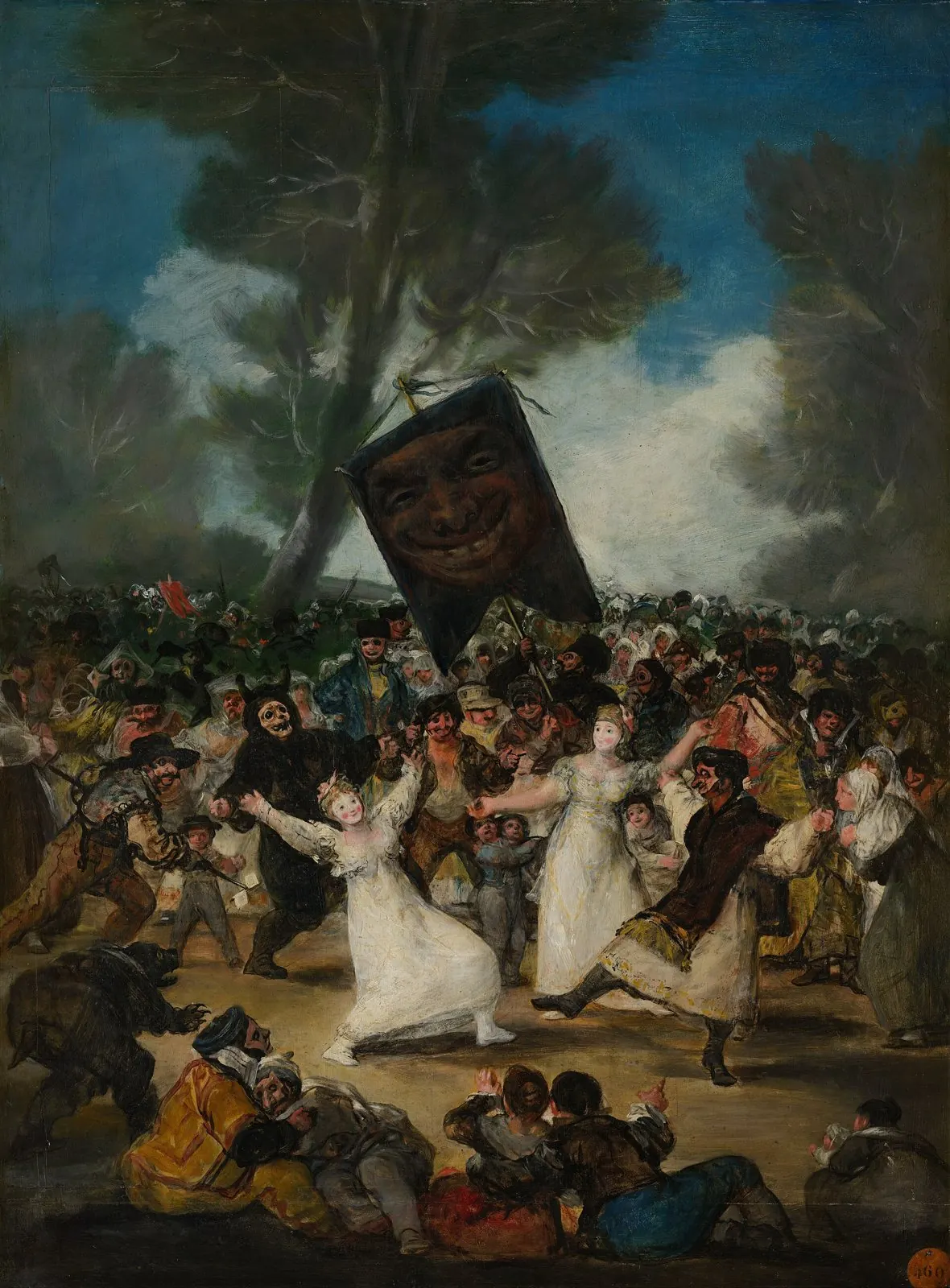
The Spanish royal collection: Velázquez, Goya, El Greco, Titian, Bosch, Rubens. The Goya Black Paintings are on the ground floor.
Look for: Las Meninas, from the corner of the room, where Velázquez wanted you to stand.
Free the last two hours of each day
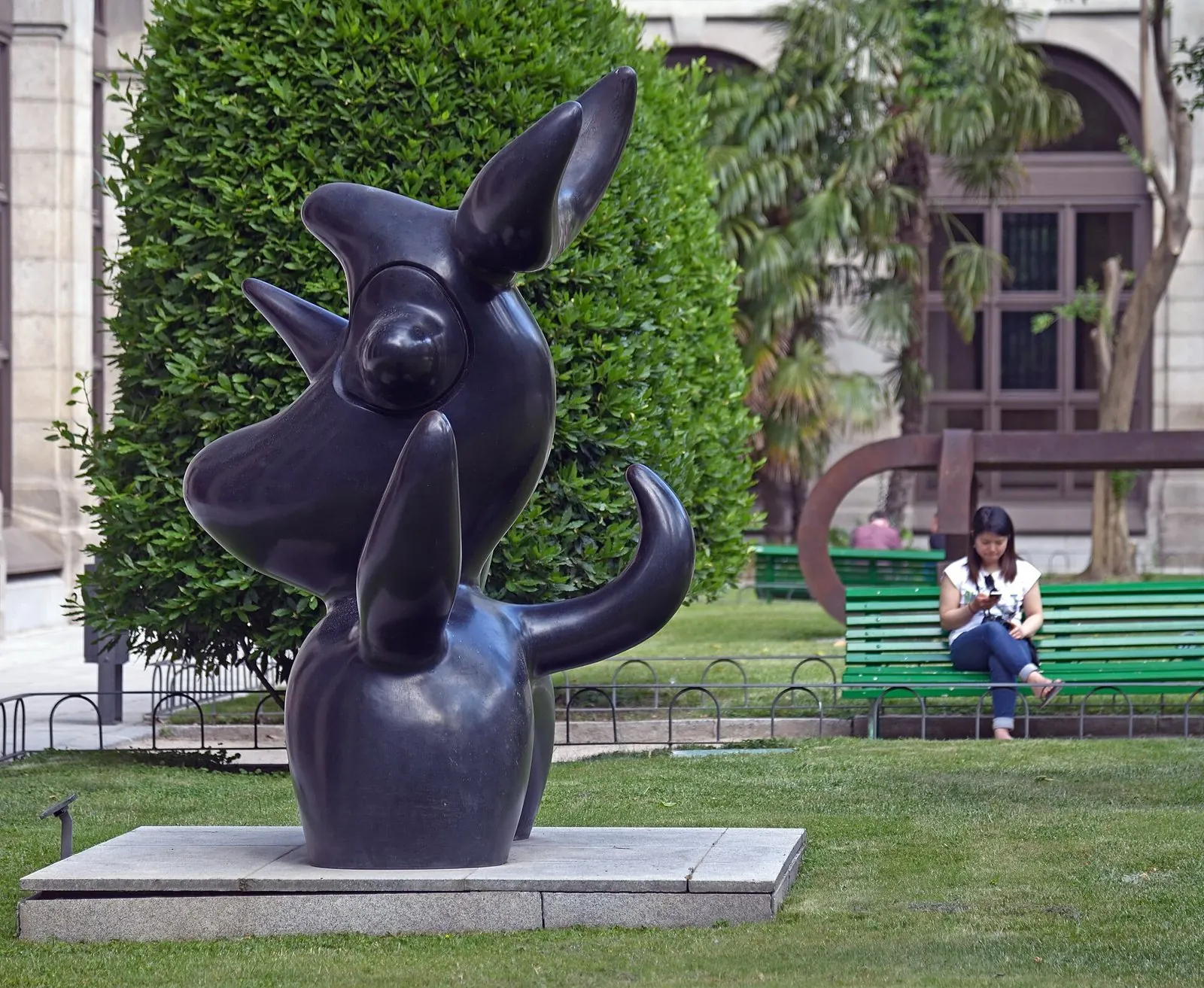 Museo Reina Sofía, Madrid · CC BY-SA 3.0
Museum · Atocha
Museo Reina Sofía
Spain's national museum of modern art in an 18th-century hospital, with Picasso's Guernica.
Look for: The photographs of Guernica being painted, in the next room.
Closed Tuesdays
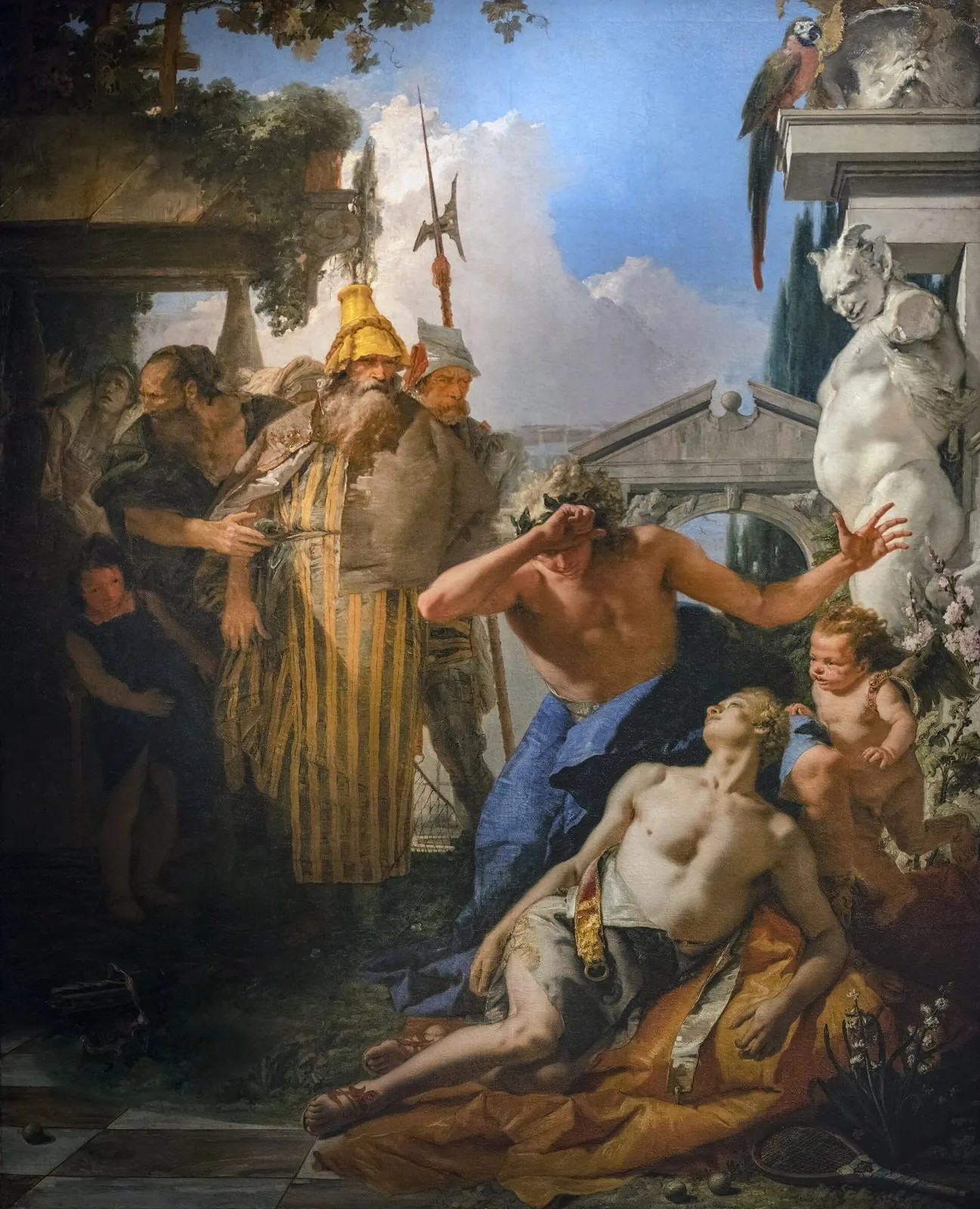 Giambattista Tiepolo, The Death of Hyacinth, 1752–53. Museo Nacional Thyssen-Bornemisza, Madrid · CC BY-SA 4.0
Museum · Paseo del Prado
Museo Thyssen-Bornemisza
A collector's survey of European painting, with the early Netherlandish and German painters the Prado lacks, and the Americans.
Look for: Hopper's Hotel Room.
Daily
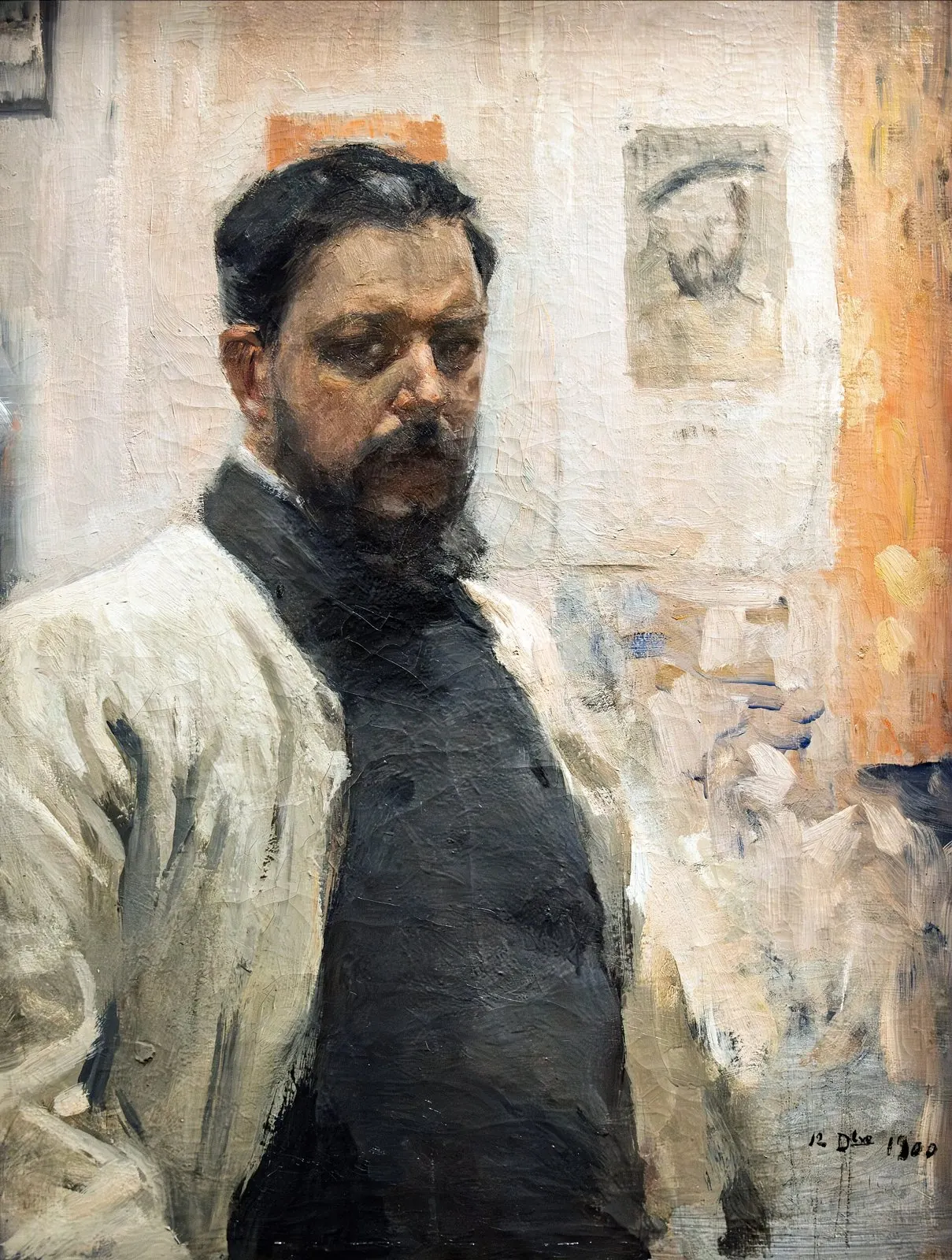 Joaquín Sorolla, Self-Portrait, 1900. Museo Sorolla, Madrid · Public domain
Artist house · Chamberí
Museo Sorolla
Joaquín Sorolla's house and studio, kept as he left it, with an Andalusian garden he designed himself.
Look for: The studio, and the brushes.
Closed Mondays
The Prado at opening → lunch → the Thyssen → San Antonio de la Florida → sunset at the Templo de Debod.