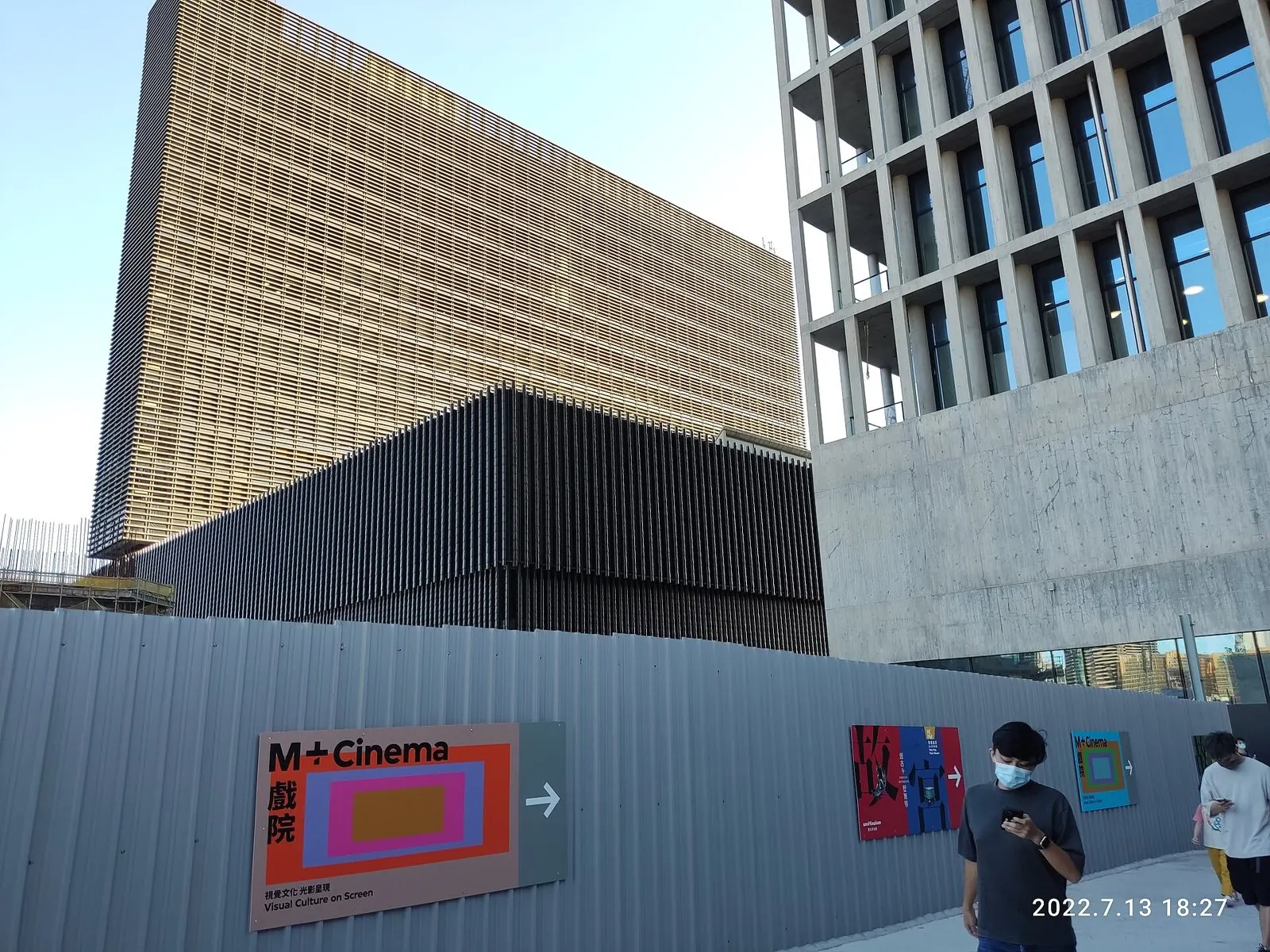
Asia's museum of 20th- and 21st-century visual culture, opened in 2021 in a Herzog & de Meuron building whose façade becomes a giant screen at night. Design, architecture and moving image sit beside art.
Look for: The Sigg Collection of Chinese contemporary art, and the Found Space, a tunnel for the airport railway showing through the floor.
Closed Mondays
Hong Kong Palace Museum, Hong Kong · CC BY 2.0
Museum · West Kowloon
Hong Kong Palace Museum
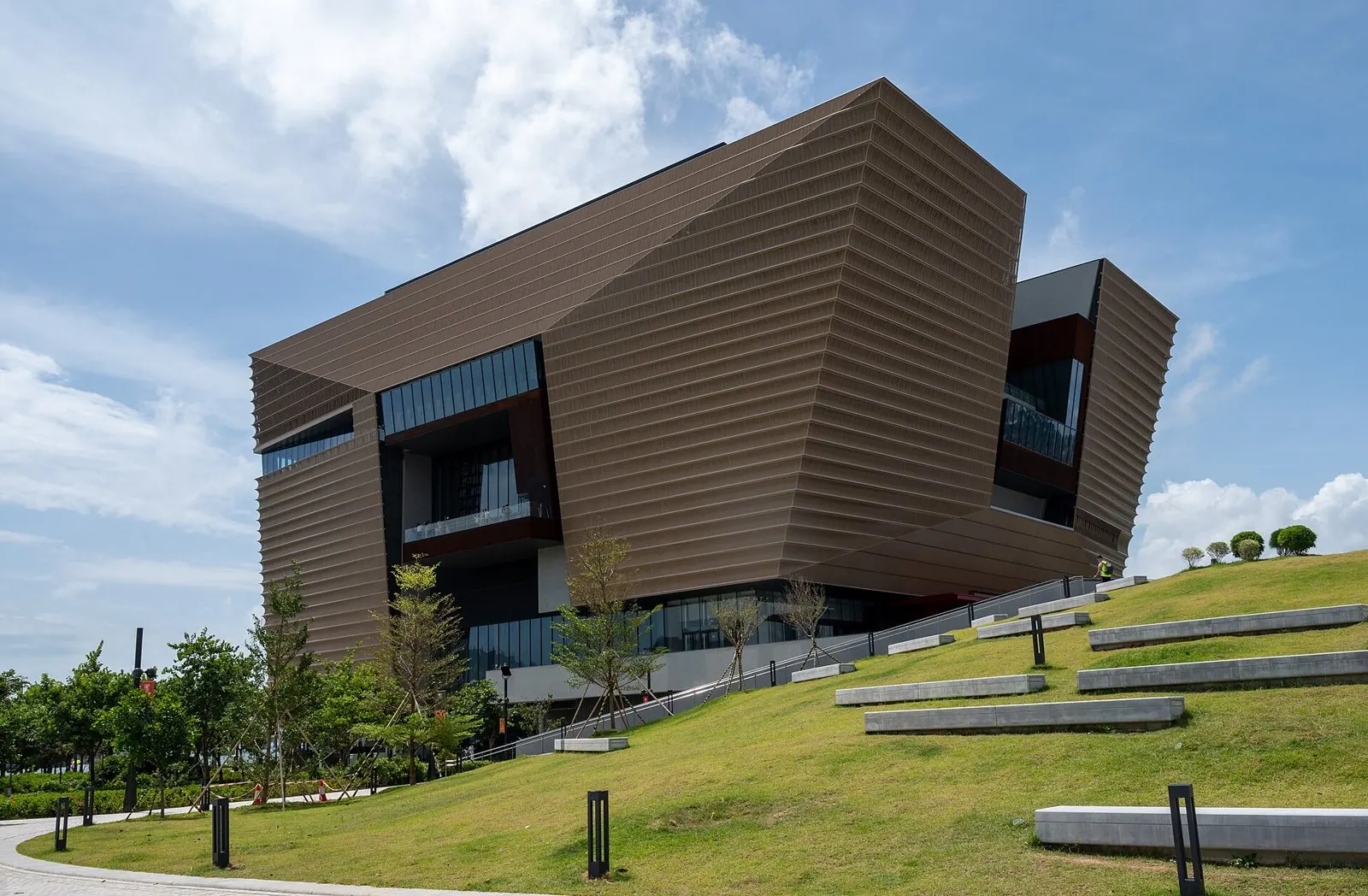
Opened in 2022 with long-term loans from the Palace Museum in Beijing's Forbidden City: imperial painting, porcelain and court objects, in rotations that change several times a year.
Look for: The painting galleries, which rotate because silk and paper can only be shown briefly.
Closed Tuesdays · timed tickets
Tai Kwun, Hong Kong · CC BY-SA 4.0
Art centre · Central
Tai Kwun
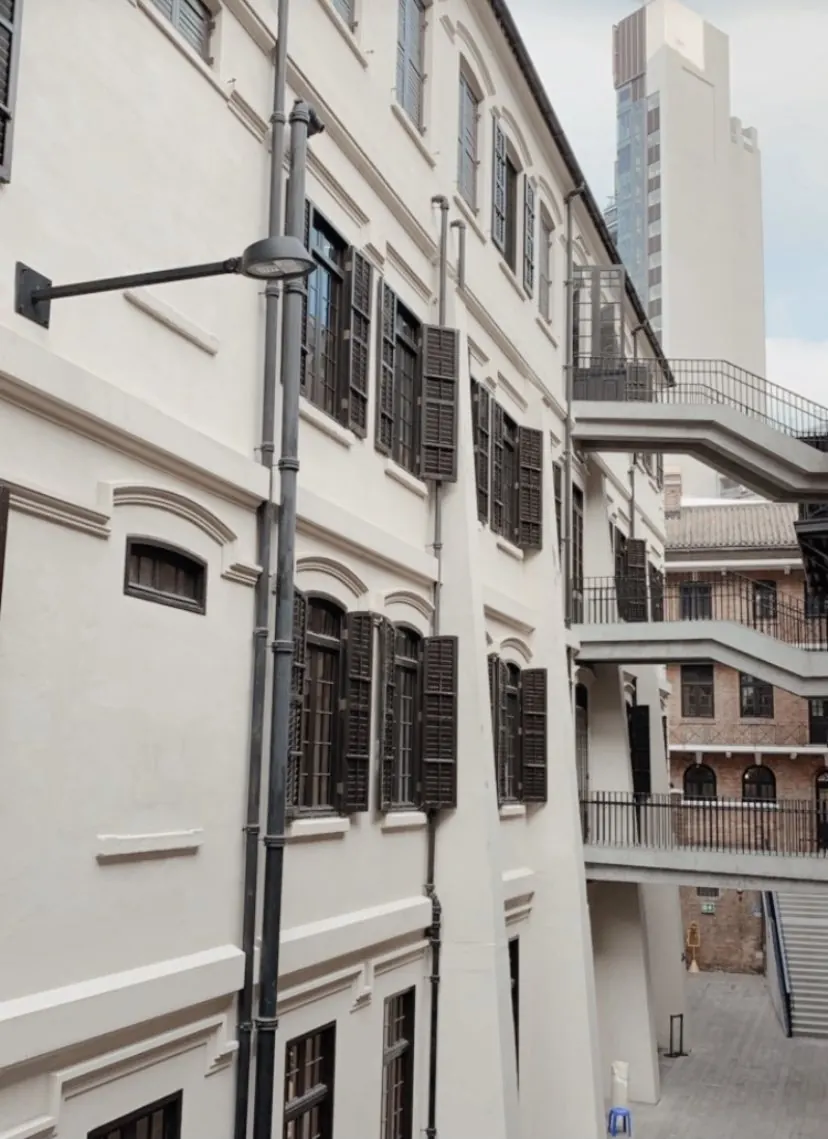
The Central Police Station, Magistracy and Victoria Prison, a walled compound of the 1860s onwards, restored in 2018 with two new galleries by Herzog & de Meuron for contemporary shows.
Look for: The prison yard and the cells of the old jail.
Free
Galleries · Central
H Queen's
A tower in Central built for galleries, with Hauser & Wirth, Pace, David Zwirner and others stacked floor by floor.
Look for: Start at the top and take the stairs down.
Free · most closed Sundays and Mondays
Off the list
Off-Piste in Hong Kong
Rooms, ruins and curiosities: the city's other museum.
Man Mo Temple, Hong Kong · CC BY-SA 4.0
Temple · Sheung Wan
Man Mo Temple
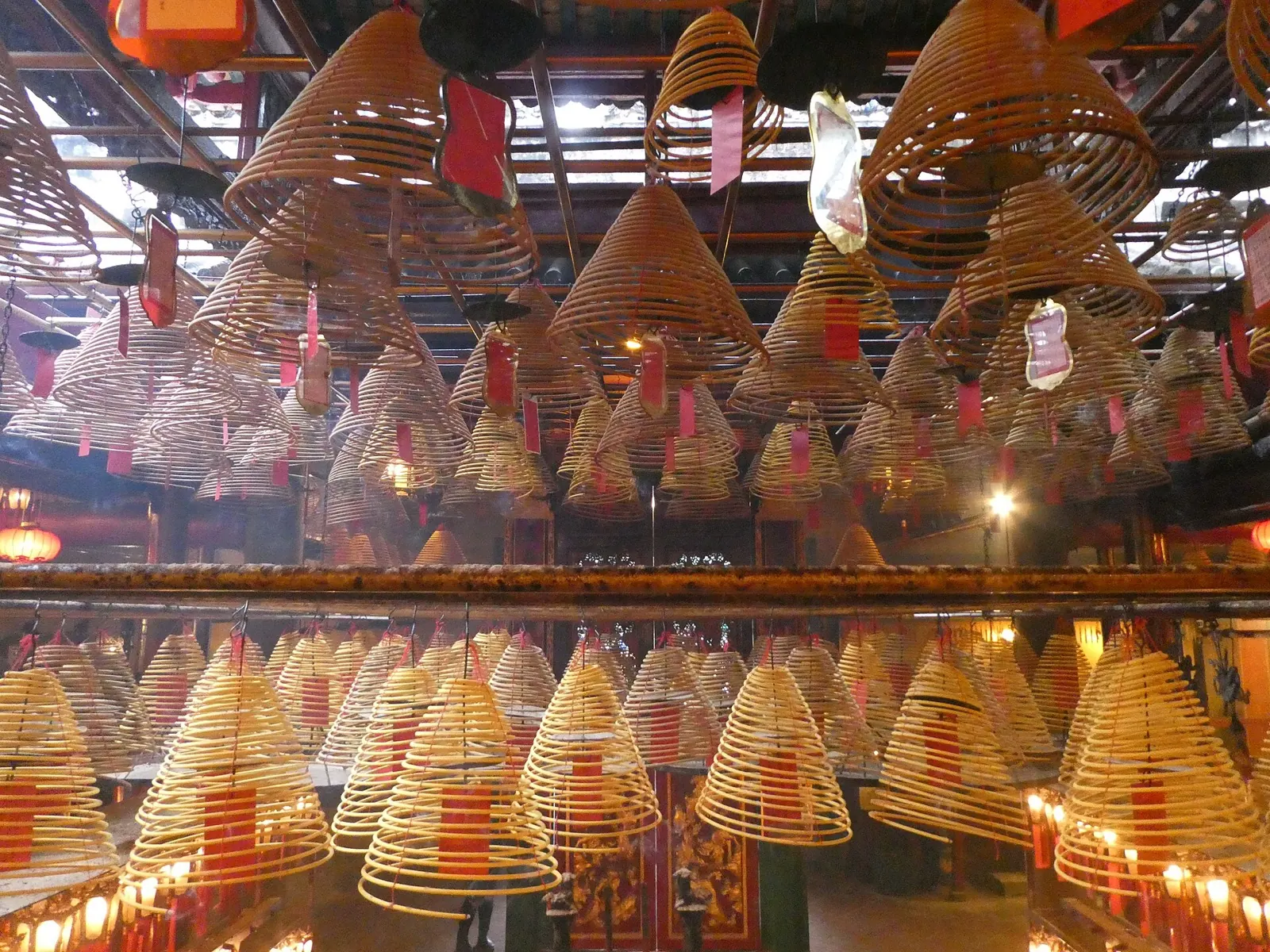
A temple of 1847 for the gods of literature and war, its air thick with giant incense coils hanging from the ceiling, each burning for weeks.
The light through the smoke in the afternoon.
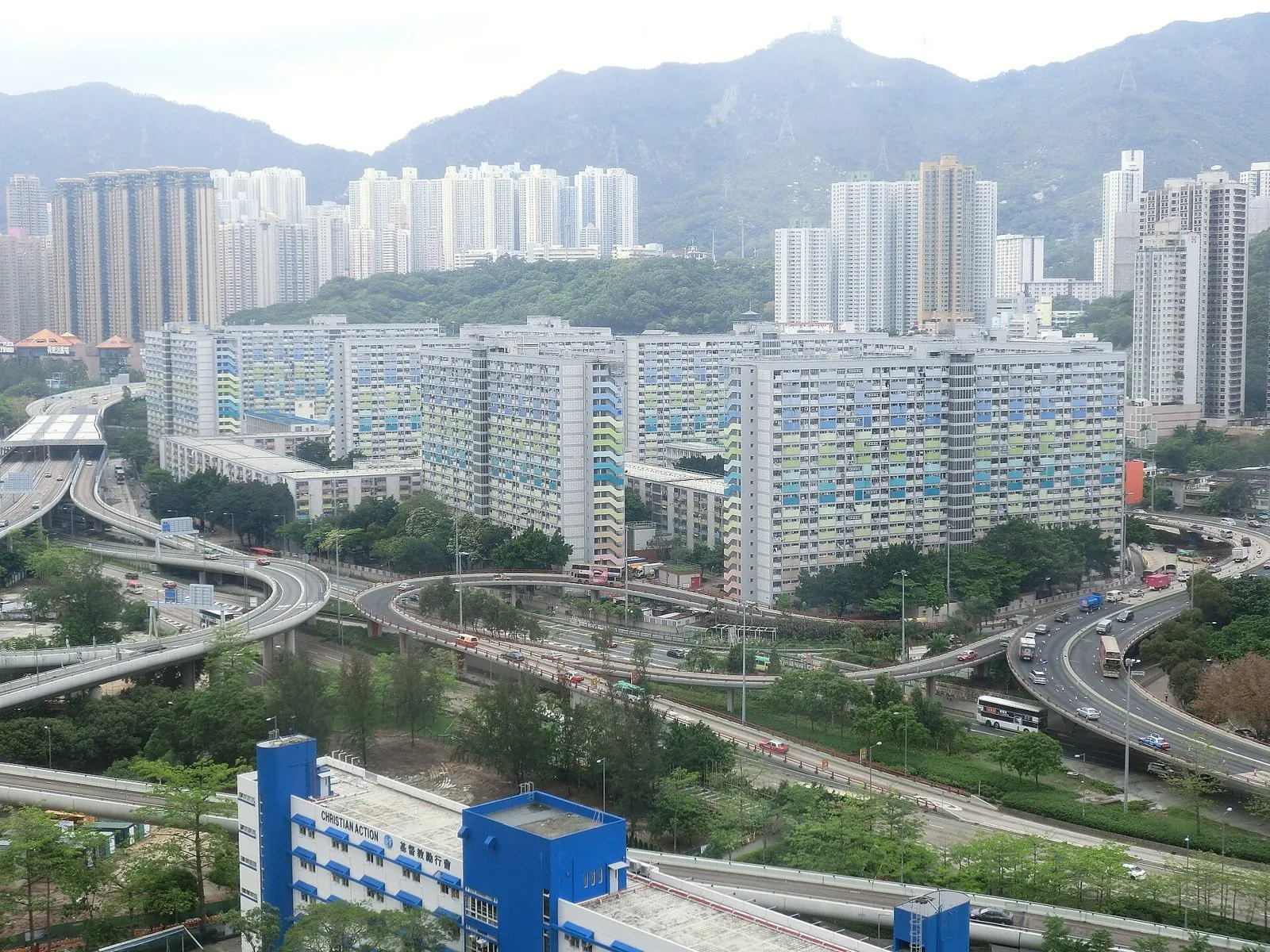
Choi Hung Estate, Hong Kong · CC BY 3.0
Architecture · Kowloon
Choi Hung Estate
A public housing estate of 1962–64 whose blocks are painted in the colours of the rainbow, its name in Cantonese.
The basketball court on the car-park roof.
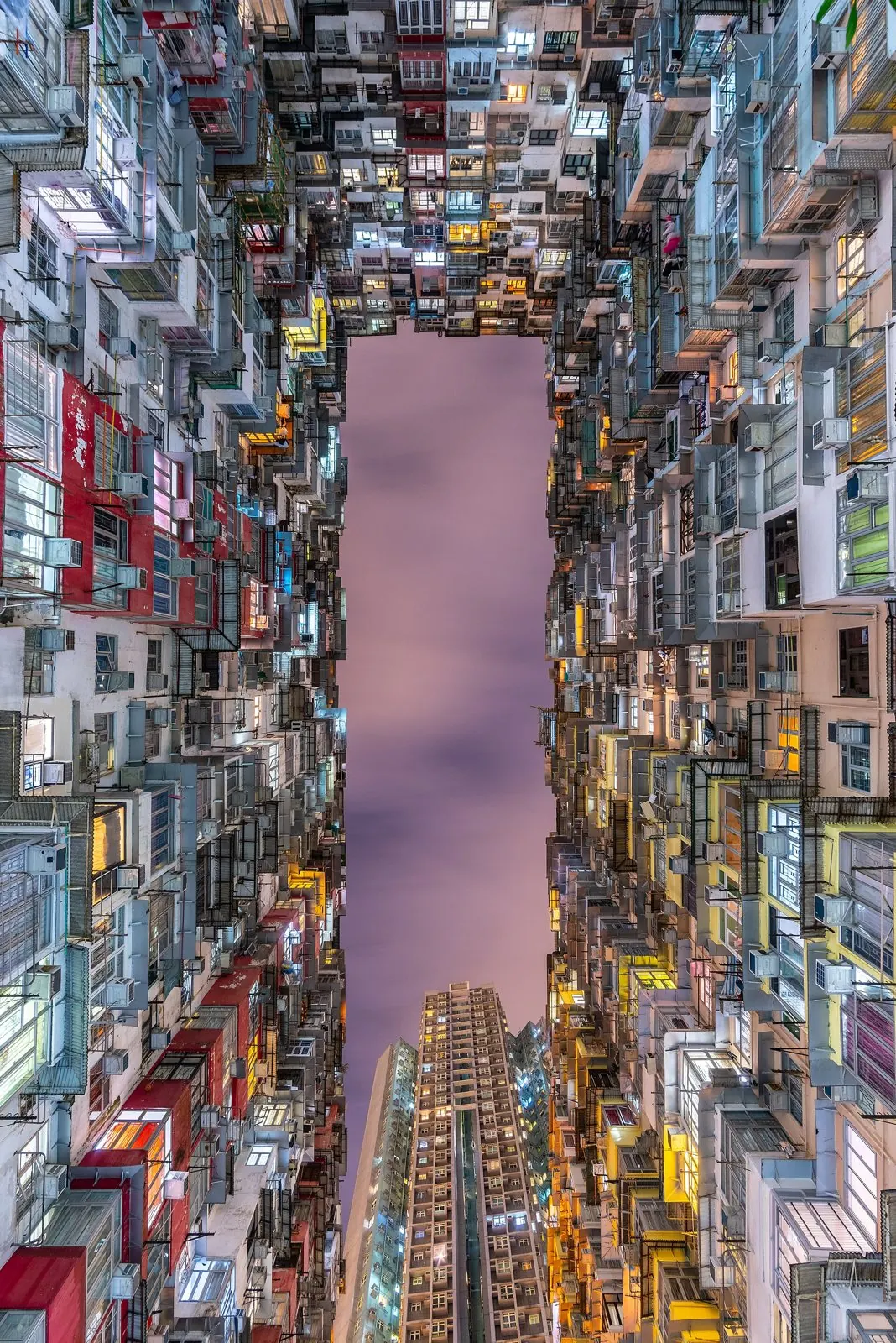
Yick Cheong Building, Hong Kong · CC BY-SA 4.0
Architecture · Quarry Bay
Yick Cheong Building
Part of the 'Monster Building': five densely packed residential blocks of the 1960s around a courtyard, with thousands of windows and air-conditioners.
Keep quiet: people live there.
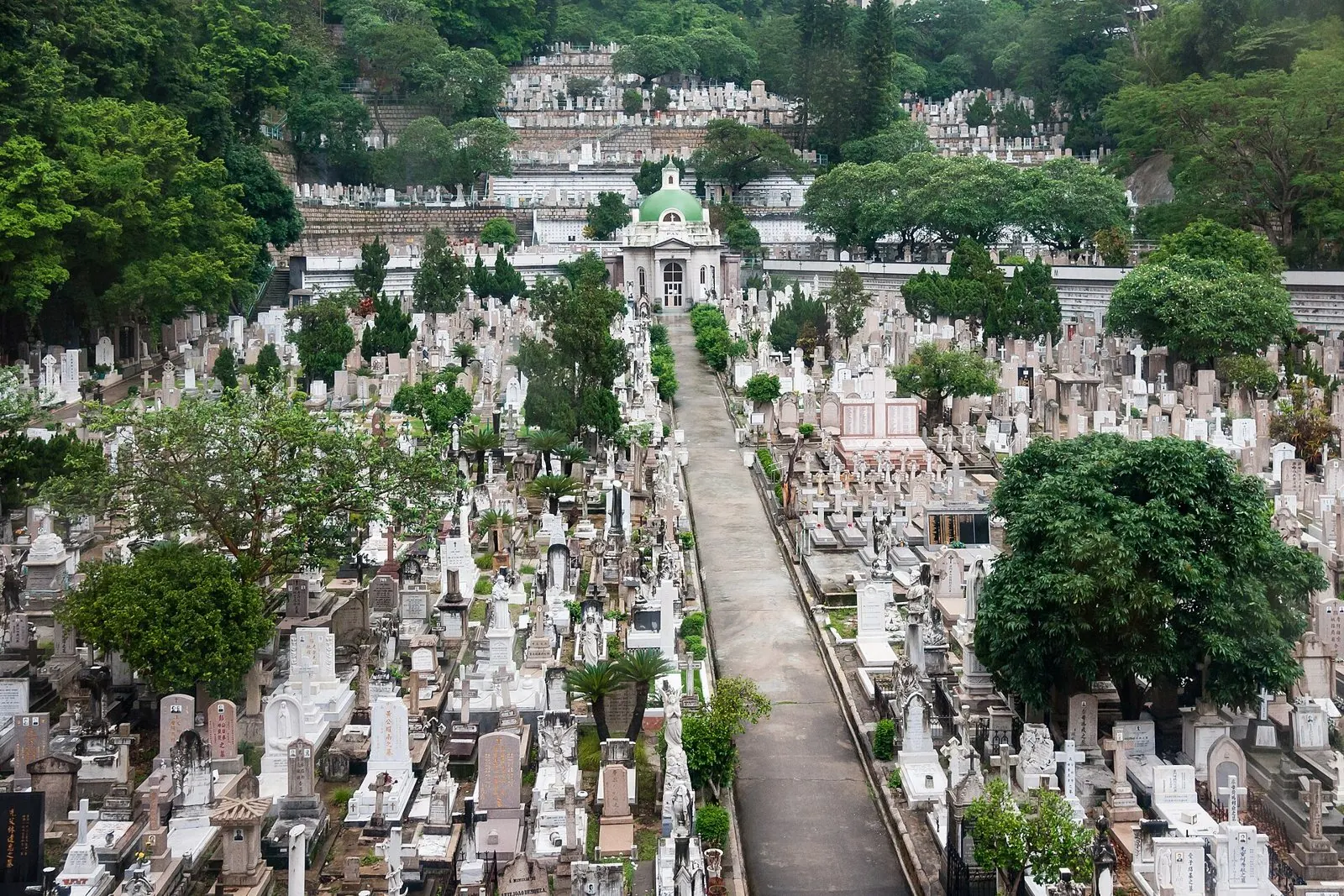
Hong Kong Cemetery, Hong Kong · CC BY-SA 3.0
Cemetery · Happy Valley
Hong Kong Cemetery
A colonial cemetery of 1845 on the hillside above the racecourse: sailors, merchants, missionaries and the city's founders.
Look down on the racetrack from the top terraces.
Nearby
Macau
Portuguese churches, Chinese temples and the ruins of São Paulo, about an hour by ferry or bridge.
Lantau
The Tian Tan Buddha and Po Lin Monastery, by cable car.
If you have one day
Tai Kwun at opening → walk to Man Mo Temple → the H Queen's galleries → Star Ferry to Kowloon → M+ and the Palace Museum → the harbour at night from the M+ terrace.